




What's Happening?
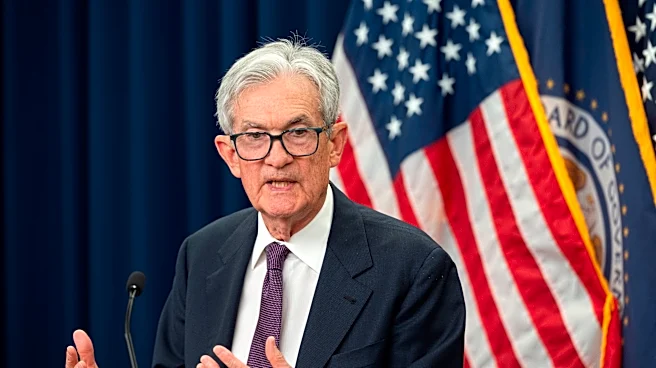
Kevin Warsh, recently appointed as the leader of the Federal Reserve, is set to introduce significant reforms to the central bank's operations. Warsh, who previously left the Fed over disagreements with its bond-buying program, aims to overhaul how the Fed monitors
inflation, communicates with markets, and manages its $6.7 trillion portfolio. His agenda includes reducing the frequency of press conferences and altering the Fed's communication strategy to a more opaque style reminiscent of pre-2007 practices. Warsh's appointment follows President Trump's nomination, succeeding Jerome Powell, with whom Trump had frequent clashes over interest rate policies.
Why It's Important?
Warsh's proposed changes could reshape the Federal Reserve's role in the U.S. economy, affecting how monetary policy is communicated and implemented. His approach may lead to shifts in market expectations and influence economic stability. The reforms could also impact the Fed's independence, as Warsh navigates pressures from the Trump administration for interest rate cuts despite current economic indicators. The potential reduction in transparency could affect investor confidence and market dynamics, highlighting the delicate balance between effective communication and policy implementation.
What's Next?
Warsh is expected to begin his tenure by commissioning internal reviews and engaging in debates within the Federal Open Market Committee. His initial focus will likely be on managing the conflict between the administration's demands and economic data. The upcoming policy meetings will be crucial in determining the direction of interest rates and the Fed's communication strategy. Warsh's ability to implement his reforms will depend on garnering support from fellow policymakers and addressing legal and procedural challenges.