




What's Happening?
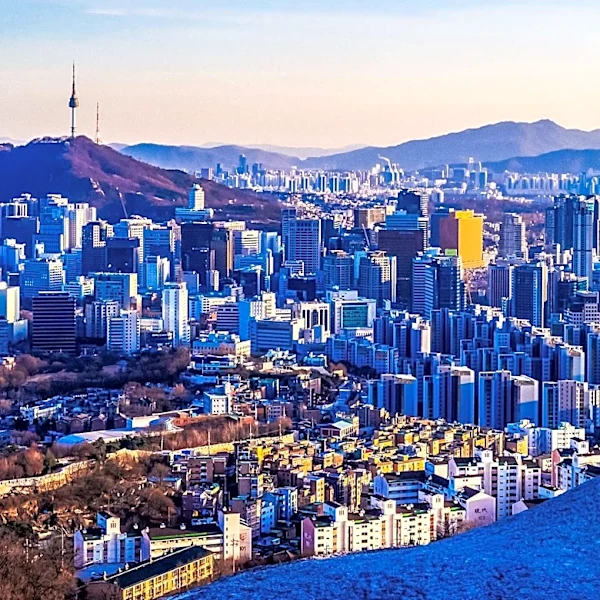
South Korea is experiencing an unprecedented heatwave, with the city of Yangsan recording the highest temperature ever in the country at 42.5 degrees Celsius on August 2, 2026. The Korea Meteorological Administration (KMA) reported that Yangsan has been
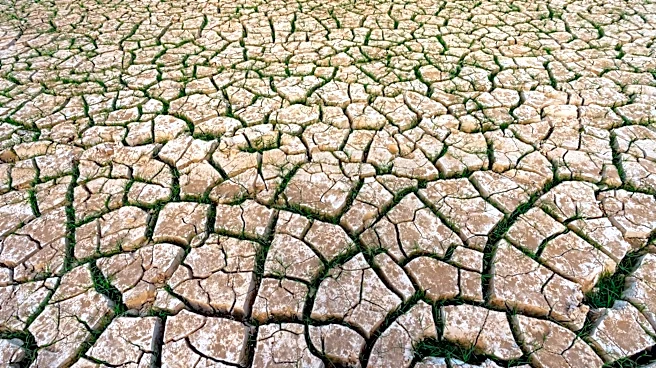
the epicenter of this heatwave, with temperatures exceeding 40 degrees Celsius for five consecutive days. The government has issued emergency alerts, advising people to avoid outdoor activities and seek refuge in air-conditioned spaces. This extreme weather event is attributed to human-induced climate change, with scientists warning of more frequent and intense heatwaves in the future.
Why It's Important?
The heatwave in South Korea highlights the growing impact of climate change on global weather patterns. Such extreme temperatures pose significant health risks, leading to heat-related illnesses and fatalities. The situation underscores the urgent need for effective climate policies and adaptation strategies to mitigate the effects of climate change. The heatwave also affects daily life and economic activities, as people are forced to stay indoors, impacting productivity and increasing energy consumption for cooling.
What's Next?
The South Korean government is likely to continue monitoring the situation closely and may implement additional measures to protect public health and safety. There could be increased pressure on policymakers to strengthen climate action plans and invest in sustainable infrastructure to better cope with future heatwaves. The international community may also take note of this event, prompting discussions on global climate agreements and cooperation.