
What's Happening?
Iran has formally rejected a U.S. proposal aimed at ending the ongoing conflict, citing demands for war reparations and sovereignty over the Strait of Hormuz. The U.S. proposal, which included dismantling
Iran's nuclear facilities, was deemed unacceptable by Tehran. The situation remains tense, with both sides exchanging fire despite a ceasefire brokered by Pakistan. The U.S. continues to push for a diplomatic solution, but Iran's insistence on its demands has stalled progress.
Why It's Important?
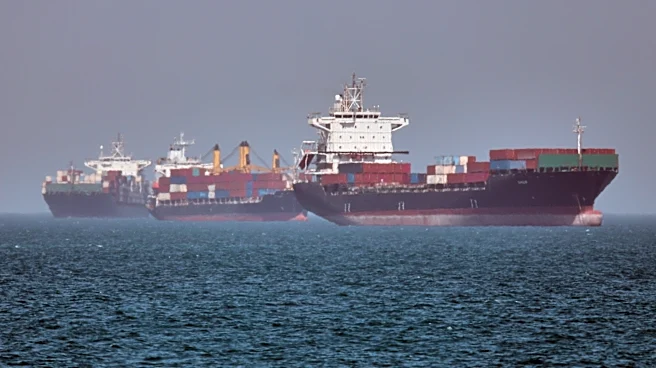
The rejection of the U.S. proposal has significant implications for regional stability and global energy markets. The Strait of Hormuz is a vital passage for oil shipments, and continued conflict could disrupt global oil supplies, affecting prices and economic stability. The standoff also impacts U.S. foreign policy and its strategic interests in the Middle East, potentially straining relations with allies and complicating diplomatic efforts.
What's Next?
With negotiations stalled, the U.S. may explore alternative strategies, including increased military presence or seeking international mediation. The situation remains fluid, and any escalation could have far-reaching consequences for regional and global security.