





What's Happening?
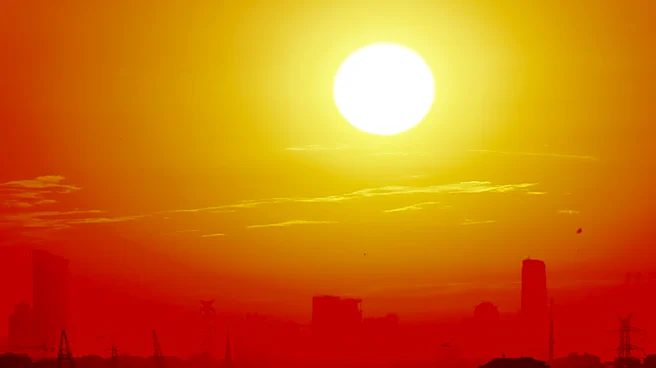
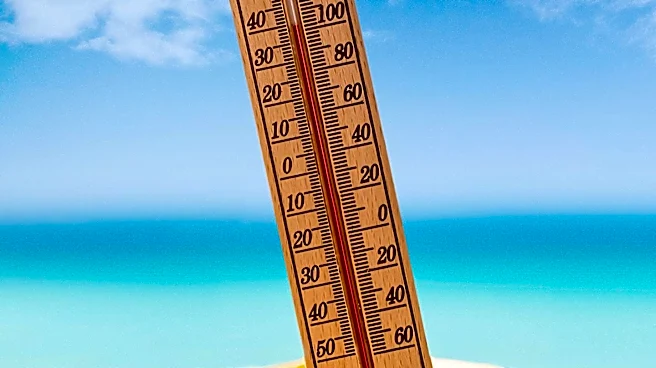
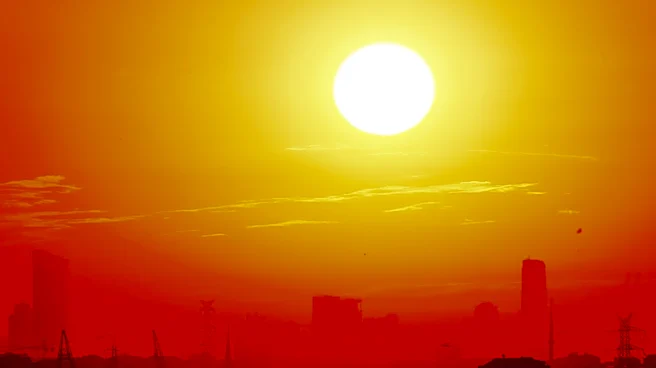
The eastern United States is experiencing a severe heatwave as the Fourth of July weekend approaches, with temperatures expected to reach record highs. The National Weather Service has forecasted temperatures in the high 90s Fahrenheit, with some areas
like Philadelphia and Boston potentially exceeding 100 degrees. The oppressive heat has led to the alteration or cancellation of several Independence Day events. In Philadelphia, the route of a parade was shortened, and an afternoon block party was canceled. Similarly, in Lower Windsor Township, Pennsylvania, a planned celebration has been rescheduled, and Norristown has canceled its parade due to safety concerns. Amtrak has also canceled some train routes, including the Acela between Boston and Washington, due to the heat. Officials are taking measures to ensure public safety, such as opening cooling centers and offering free admission to air-conditioned museums in Boston.
Why It's Important?
The extreme heat poses significant health risks, particularly for vulnerable populations such as the elderly and those with pre-existing health conditions. The heatwave also highlights the challenges of maintaining public safety during large-scale events, necessitating changes to traditional celebrations. The impact on transportation, with train cancellations and potential delays, underscores the broader logistical challenges posed by extreme weather conditions. Additionally, the situation has sparked political discourse, with figures like Florida Governor Ron DeSantis using the opportunity to critique energy conservation measures suggested by New York's mayor. This event underscores the ongoing need for effective public health and safety strategies in the face of increasingly frequent extreme weather events.
What's Next?
As the heatwave continues, further adjustments to public events and transportation schedules may be necessary. Authorities will likely continue to monitor the situation closely, providing updates and guidance to ensure public safety. The response to this heatwave could influence future planning for large public events, particularly in terms of contingency measures for extreme weather. Additionally, the political discourse surrounding energy conservation and climate-related policies may intensify, potentially influencing future policy decisions at both local and national levels.