







What's Happening?
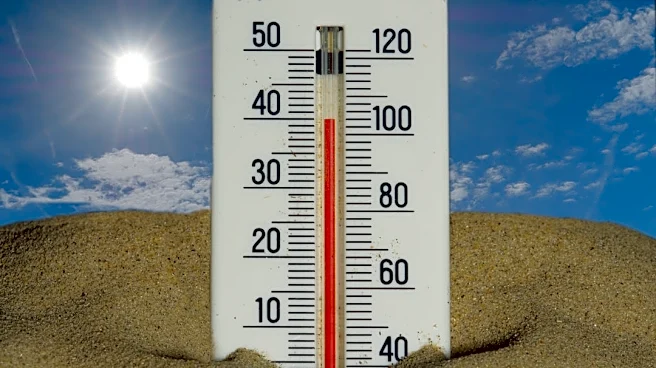
Cal/OSHA has issued a heat alert, urging California employers to implement protective measures for workers as temperatures are expected to reach triple digits across much of the state. Heat advisories and extreme heat warnings are in effect for Southern
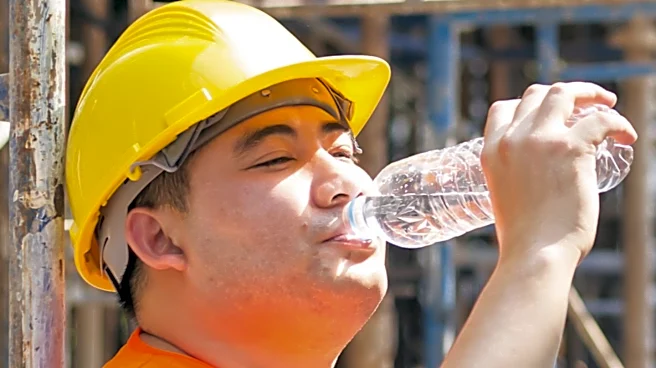
California, the Central Valley, and parts of Northern California. Employers are legally required under Cal/OSHA’s Heat Illness Prevention Standards to protect both indoor and outdoor workers from heat-related illness. This includes providing access to water, shade or cool-down areas, rest breaks, and comprehensive training. For indoor workplaces, protections are mandated when temperatures reach 82 degrees Fahrenheit. Outdoor worksites require shade when temperatures exceed 80 degrees, and additional high-heat procedures are necessary in specific industries like agriculture and construction when temperatures hit or surpass 95 degrees. Employers must also maintain a written prevention plan and ensure effective training for supervisors and employees to recognize and respond to heat illness symptoms.
Why It's Important?
This alert is crucial for worker safety and public health in California, a state frequently impacted by extreme heat events. Heat illness is a serious and potentially fatal workplace hazard, and Cal/OSHA's enforcement of prevention standards aims to mitigate these risks. The regulations ensure that workers, particularly those in vulnerable outdoor industries, receive essential protections like hydration, shade, and rest, which are vital for preventing heatstroke and other severe health complications. Beyond individual worker well-being, adherence to these standards can prevent costly workplace incidents, reduce healthcare burdens, and maintain productivity. Non-compliance can lead to significant penalties for businesses and potential legal liabilities. The emphasis on training and written plans also fosters a culture of safety, empowering both employers and employees to proactively address heat-related dangers, thereby safeguarding the state's workforce and economy.
What's Next?
Employers in California are expected to immediately review and update their heat illness prevention plans in response to the current heatwave. Cal/OSHA will continue its enforcement of heat standards, alongside multilingual outreach and training programs for employers and workers. The agency encourages employers to join its Heat Illness Prevention (HIP) Network for increased awareness and resources. Workers with concerns about workplace safety can contact Cal/OSHA confidentially. As weather forecasts are subject to change, employers must remain vigilant, continuously monitor local conditions, and ensure that required heat protections are consistently in place. The ongoing focus will be on proactive measures and education to prevent heat-related incidents throughout the duration of the high-temperature period and in future heat events.
Beyond the Headlines
The recurring need for heat alerts in California highlights the broader implications of climate change and its impact on occupational safety. As extreme weather events become more frequent and intense, the challenges of protecting workers from environmental hazards will escalate. This situation underscores the importance of robust regulatory frameworks like Cal/OSHA's standards, which adapt to evolving climate conditions. It also brings to light the ethical responsibility of businesses to prioritize worker health over productivity, especially for marginalized communities often employed in physically demanding outdoor jobs. The long-term shift may involve re-evaluating traditional work schedules, investing in climate-resilient infrastructure, and developing innovative cooling solutions for various industries. Ultimately, the effectiveness of these measures will depend on continuous adaptation, strong enforcement, and a collective commitment to worker well-being in a changing climate.