







What's Happening?
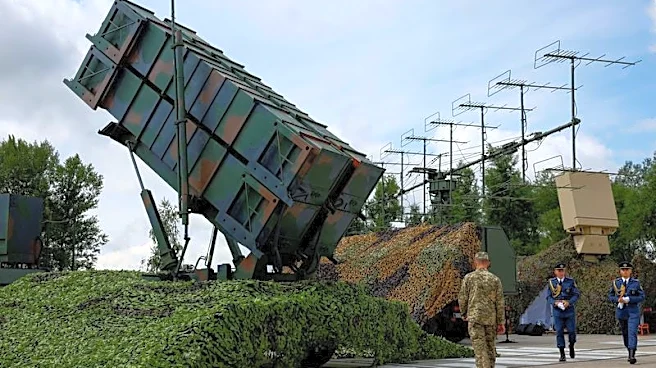
Ukraine is advancing the development of the FP-7.x interceptor missile to address the shortage of U.S.-made Patriot PAC-3 air defense missiles. The FP-7.x is part of Ukraine's FREYJA air and missile-defense project, spearheaded by the Ukrainian company
Fire Point. This initiative aims to create a cost-effective alternative to the expensive and scarce Patriot interceptors, which are crucial for defending against Russian ballistic missile threats. The FP-7.x is not intended to replace the entire Patriot system but to complement it by handling selected threats, thereby preserving the more advanced PAC-3 missiles for the most critical engagements. The development comes as global demand for PAC-3 interceptors remains high, with production constrained by specialized manufacturing requirements.
Why It's Important?
The development of the FP-7.x interceptor is significant as it addresses a critical gap in Ukraine's air defense capabilities amid ongoing conflict with Russia. The shortage of Patriot missiles is not only a Ukrainian issue but a broader international concern affecting NATO allies. The FP-7.x offers a potential solution by providing a lower-cost and potentially higher-production alternative, which could alleviate pressure on existing missile stocks. This development could enhance Ukraine's ability to sustain prolonged defensive operations against Russian missile attacks, thereby strengthening its overall military resilience. Additionally, it highlights the strategic importance of diversifying defense supply chains to reduce dependency on limited foreign resources.
What's Next?
If the FP-7.x interceptor proves successful in testing, it could be integrated into Ukraine's air defense strategy, allowing for a more layered defense approach. This would involve using the FP-7.x against less critical threats while reserving the PAC-3 missiles for high-speed ballistic weapons. The United States and NATO allies may also need to consider increasing production capacities for advanced interceptors to meet rising global demand. The success of the FP-7.x could influence other countries facing similar shortages to explore domestic production of alternative defense systems.