






What's Happening?
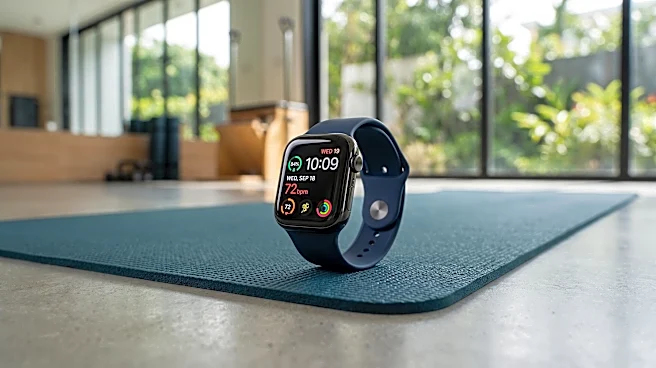
Google has released the Fitbit Edge, a new fitness device priced at $180, designed to offer smartwatch functionalities in a more compact form factor. The device features a 1.34-inch color display and boasts a battery life of up to seven days, which reduces
to about two days with the always-on display enabled. Unlike the Apple Watch, which is exclusive to iPhones, and Google's Pixel Watch, which is Android-only, the Fitbit Edge is compatible with both Android phones and iPhones. It includes various apps such as weather, alarms, timer, stopwatch, and an exercise app supporting over 50 workout types. A notable feature is its ability to perform electrocardiograms (ECGs) to detect signs of atrial fibrillation (AFib), a capability not present in the Fitbit Air. The Edge also supports notifications, music controls, and Google Maps directions, though some navigation functions require a connected phone. Users can navigate the touchscreen by swiping and customize watch faces with various 'complications' like heart rate, steps, and battery level.
Why It's Important?
The introduction of the Fitbit Edge is significant for the wearable technology market, offering consumers a middle-ground option between basic fitness trackers and full-fledged smartwatches. Its cross-platform compatibility with both Android and iOS devices broadens its appeal, addressing a limitation found in competing products like the Apple Watch and Pixel Watch. The extended battery life, compared to many smartwatches, caters to users who prioritize convenience and less frequent charging. The inclusion of ECG functionality brings advanced health monitoring to a more accessible price point and form factor, potentially increasing early detection of heart conditions like AFib among a wider user base. This device could attract users who find traditional smartwatches too bulky or expensive, or those who desire more features than a screen-less fitness tracker without committing to a full smartwatch experience. Its competitive pricing also puts pressure on other manufacturers in the fitness wearable segment.
What's Next?
The Fitbit Edge is expected to compete with other less expensive alternatives in the market, such as the Amazfit Bip 6 and the CMF Watch Pro 2, though Google's Health app is highlighted as a superior software experience. Consumers will likely see a wider availability of third-party accessories, such as wristbands, as the device gains traction, offering more customization options beyond Google's own offerings. The device's performance and user adoption will be closely watched, as it could influence future product development in the wearable tech space, potentially leading to more hybrid devices that balance features, size, and battery life. Google may also continue to enhance the Google Health app and its AI assistant, 'Coach,' to provide more personalized insights and advice, further integrating the device into users' daily health management routines. Future updates could also bring additional features or refine existing ones based on user feedback and technological advancements.
Beyond the Headlines
The Fitbit Edge's emphasis on health monitoring, particularly with the ECG feature, underscores a broader trend in consumer technology towards proactive health management. While not a substitute for professional medical diagnosis, such devices empower individuals with more data about their health, potentially fostering greater health awareness and encouraging earlier consultations with healthcare providers. The device also highlights the ongoing challenge for tech companies to balance advanced features with user comfort and battery efficiency, especially as wearables become more integrated into daily life, including sleep tracking. The 'orthosomnia' phenomenon, where individuals become overly anxious about sleep data from their devices, points to the psychological implications of constant self-monitoring and the need for users to interpret data in context with their actual well-being. This device, like others, contributes to the evolving discussion around data privacy and the ethical use of personal health information collected by consumer devices.