


What's Happening?
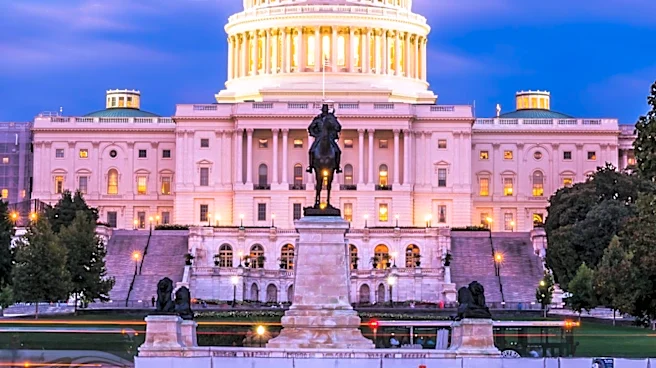
Senators Rand Paul of Kentucky and Lisa Murkowski of Alaska, both Republicans, have diverged from their party to support war powers resolutions. These resolutions are aimed at curtailing the Trump administration's ongoing military campaign, specifically
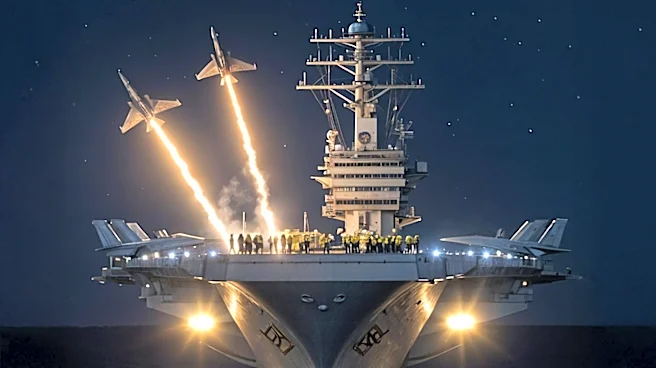
targeting strikes on vessels suspected of drug smuggling off the coast of Venezuela. This action takes place within the broader context of the expanding 'Shield of the Americas' alliance, a U.S.-led coalition designed to combat drug cartels across the Western Hemisphere. Colombia recently became the 19th member of this alliance, which involves intelligence sharing, coordinated military operations, and mutual assistance among member nations. Defense Secretary Pete Hegseth welcomed Colombia into the coalition, with the Trump administration pledging $1 billion in security assistance to the new Colombian government. The alliance's operations have included joint strikes, such as one in Ecuador, and dozens of strikes on alleged drug-smuggling boats in the Caribbean and Pacific as part of Operation Southern Spear, which have reportedly resulted in over 200 fatalities. Congressional Democrats, including Senators Tim Kaine and Adam Schiff, have also introduced similar war powers resolutions, arguing that these military actions lack proper congressional authorization.
Why It's Important?
The support from Senators Paul and Murkowski for war powers resolutions is significant as it underscores a bipartisan concern regarding the constitutional balance of power between the executive and legislative branches concerning military engagements. Their actions highlight the ongoing debate over presidential authority to conduct military operations without explicit congressional authorization, challenging potential executive overreach. The 'Shield of the Americas' alliance itself represents a notable shift in U.S. foreign policy in Latin America, prioritizing military-backed counter-narcotics operations. This approach carries substantial implications for regional stability and U.S. diplomatic relations, potentially leading to long-term commitments. Furthermore, the reported casualties from the coalition's operations and the calls from human rights groups for investigations by the International Criminal Court raise critical questions about accountability, adherence to international law, and the ethical dimensions of these military actions. The partisan divide, with most Republicans defending the administration's stance while some, like Paul and Murkowski, align with Democrats, illustrates the complex political landscape surrounding U.S. military interventions.
What's Next?
The backing of war powers resolutions by Senators Paul and Murkowski signals that congressional debate over the Trump administration's military actions in the Western Hemisphere is likely to persist. Further attempts to assert legislative authority over military operations, potentially through additional resolutions, can be anticipated. Concurrently, the 'Shield of the Americas' alliance is expected to continue its expansion and operations, indicating sustained U.S. military and security engagement in the region. As these operations proceed and reports of casualties accumulate, increased scrutiny from human rights organizations, international bodies, and the public is probable. The criticism from Senator Mark Warner regarding the administration's withholding of legal justifications and intelligence details from lawmakers may lead to intensified demands for transparency or potential legal challenges concerning the legality of these military interventions. The ongoing military operations and security assistance will continue to influence the political and security dynamics within the Latin American nations participating in the alliance.
Beyond the Headlines
The repeated attempts to pass war powers resolutions, even with some bipartisan support, highlight a deeper concern about the potential erosion of Congress's constitutional role in authorizing military force. This trend could further empower the executive branch in matters of national security, shifting the balance of power. The extensive military operations and long-term alliances under the 'Shield of the Americas' could be viewed as a new form of 'forever war' in the Western Hemisphere, potentially entailing unforeseen long-term commitments and costs for the U.S. The 'Donroe Doctrine,' as articulated by Defense Secretary Hegseth, a reinterpretation of the Monroe Doctrine, might be perceived by Latin American nations as an assertion of U.S. hegemony, potentially straining diplomatic relations despite the cooperative framework of the alliance. The administration's justification of 'targeted strikes against imminent threats' also raises fundamental questions about the definition and scope of such threats and whether they warrant military action without explicit congressional approval. Moreover, the controversy surrounding the withholding of intelligence details from lawmakers underscores a broader issue of transparency and trust between the executive and legislative branches, particularly in sensitive national security matters.