






What's Happening?
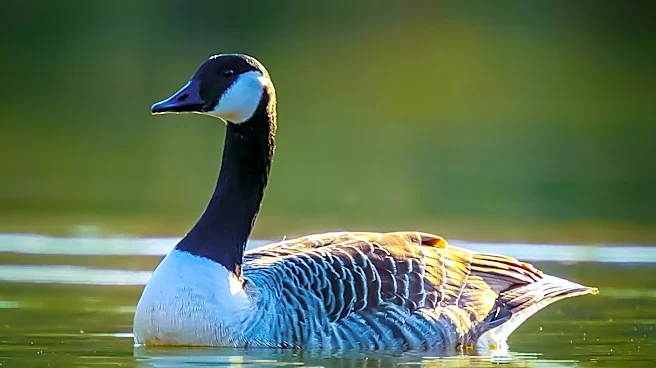
Colorado is experiencing challenges in managing its Canada goose population, which has flourished since reintroduction efforts began in the 1960s. The Migratory Bird Treaty Act of 1918 played a crucial role in saving the Canada goose from extinction by
regulating hunting. However, the adaptability of these birds to urban environments has led to an increase in their numbers, with over 700,000 geese now residing in Colorado. This growth has resulted in nuisance complaints, particularly in urban areas where geese are known for their droppings and damage to lawns and golf courses. Wildlife managers are employing various control methods, including hazing, habitat modification, and, in some cases, culling, to address the issue.
Why It's Important?
The management of Canada goose populations in Colorado highlights the complexities of wildlife conservation and urban coexistence. While the reintroduction efforts were initially successful, the unintended consequences of geese adapting to urban areas have created new challenges for wildlife managers and communities. The presence of large goose populations can impact water quality, public health, and safety, particularly in urban settings. The situation underscores the need for balanced wildlife management strategies that consider both conservation goals and community concerns. Effective management requires collaboration between wildlife agencies, local governments, and residents to develop sustainable solutions.
What's Next?
Wildlife managers in Colorado and other states may continue to explore and implement a combination of control methods to manage Canada goose populations effectively. Public education campaigns could help raise awareness about the importance of not feeding geese and the role of community involvement in wildlife management. Research into innovative control techniques, such as egg-oiling programs, may also contribute to long-term solutions. As urban areas continue to expand, the need for adaptive management strategies that address the coexistence of wildlife and human populations will become increasingly important.
Beyond the Headlines
The challenges faced in managing Canada goose populations in Colorado reflect broader issues in wildlife conservation and urban planning. The situation raises questions about the long-term sustainability of current management practices and the need for innovative approaches to address human-wildlife conflicts. The adaptability of Canada geese to urban environments highlights the dynamic nature of ecosystems and the importance of considering ecological, social, and economic factors in conservation efforts. The experience in Colorado may provide valuable insights for other regions facing similar challenges with urban wildlife populations.