



What's Happening?
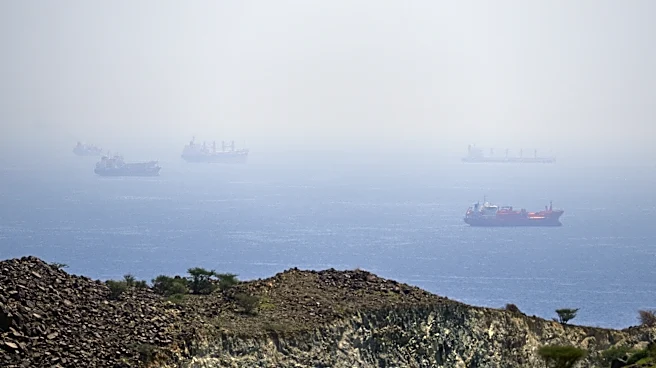
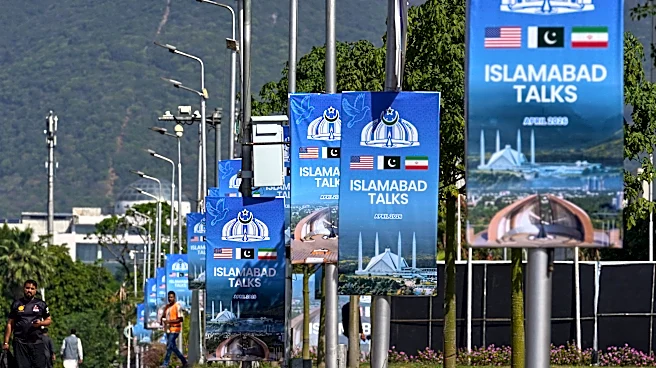
The planned peace talks between Iran and the United States in Pakistan are in jeopardy following the U.S. military's seizure of an Iranian cargo ship in the Strait of Hormuz. The U.S. action, part of a blockade on Iranian vessels, has led Iran to reconsider
its participation in the negotiations. The U.S. delegation, including Vice President JD Vance, is set to travel to Islamabad, but Iran has expressed doubts about attending, citing the U.S. actions as violations of the ceasefire. The situation remains volatile as the ceasefire between the U.S. and Iran is set to expire soon.
Why It's Important?
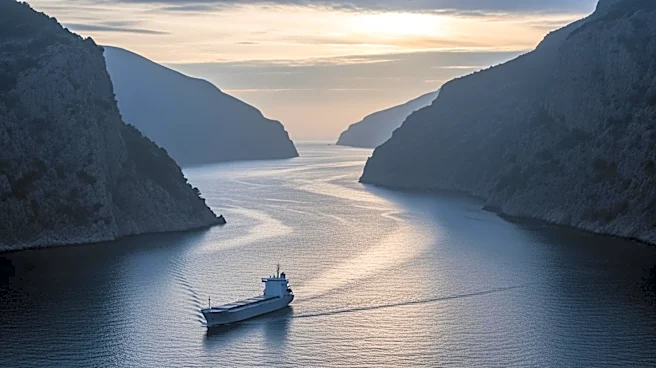
The Strait of Hormuz is a critical waterway for global oil trade, and disruptions could lead to increased oil prices and economic instability. The potential collapse of peace talks could prolong the conflict, affecting global markets and geopolitical alliances. The U.S. and Iran's actions are being closely watched by international stakeholders, including China, which relies heavily on Iranian oil. The outcome of these talks could influence future U.S. foreign policy and its relations with Middle Eastern countries.
What's Next?
If the peace talks in Pakistan proceed, they could lead to a temporary extension of the ceasefire, providing a window for more comprehensive negotiations. However, if Iran decides not to participate, tensions could escalate further, potentially leading to military confrontations. The international community, including the United Nations, may need to intervene to mediate and prevent further escalation. The U.S. and Iran will need to address key issues such as the blockade and Iran's nuclear program to reach a sustainable agreement.