








What's Happening?
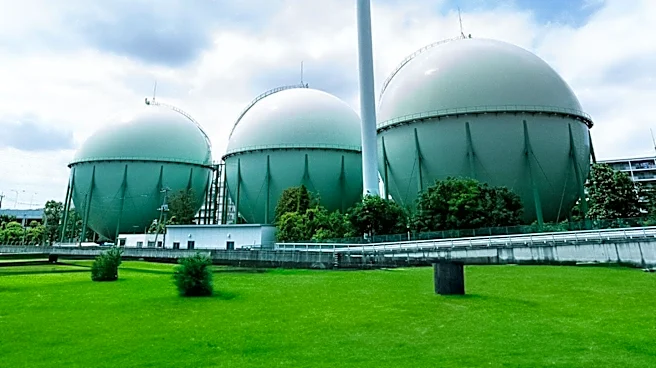
The landscape of U.S. energy consumption has undergone significant changes over the years, with a notable shift towards renewable energy and natural gas. By 2025, natural gas emerged as the leading source of electricity generation in the United States,
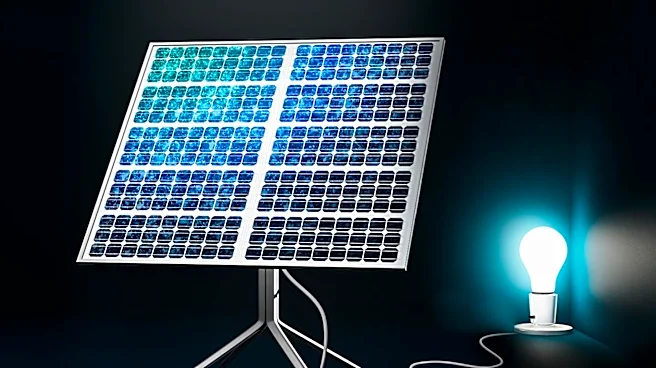
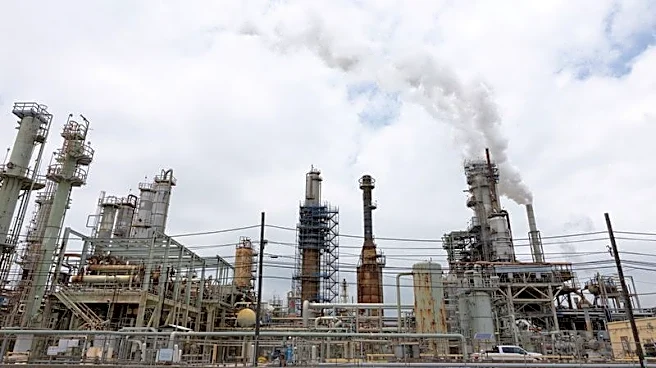
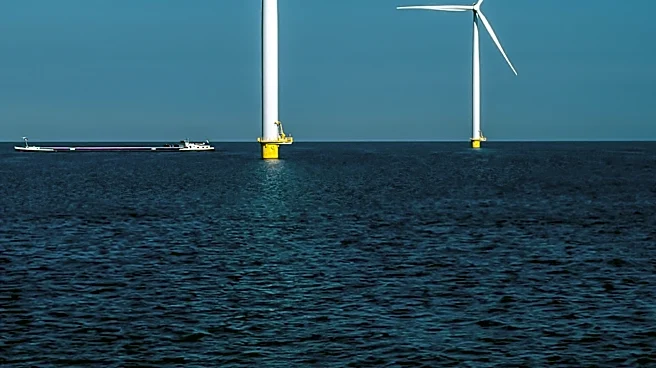
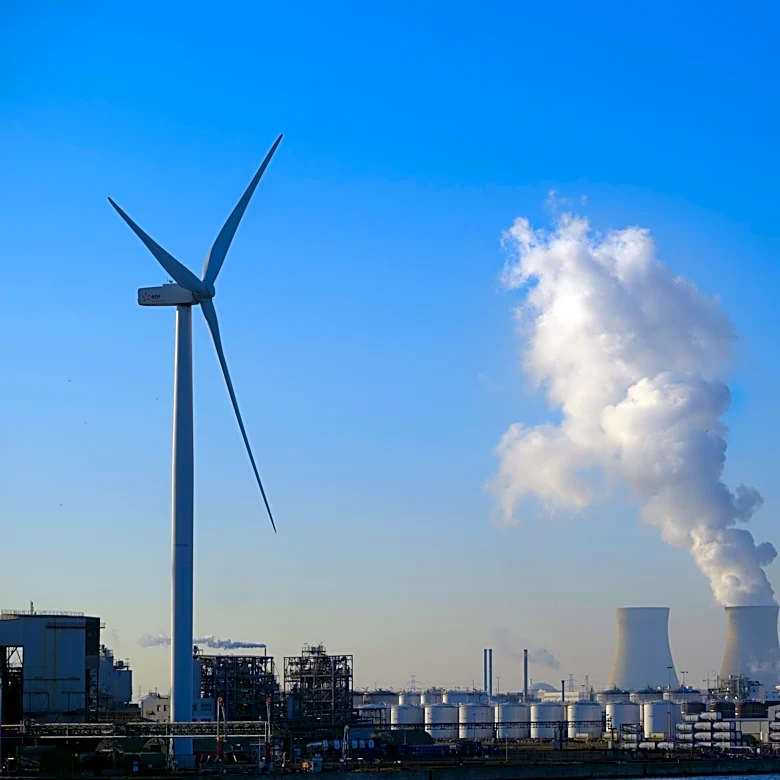
surpassing other individual energy sources. This shift was facilitated by advancements in horizontal drilling and hydraulic fracturing, which made natural gas more accessible and affordable. Additionally, the consumption of renewable energy sources, such as wind and solar, has been on the rise. In 2022, renewables surpassed nuclear energy consumption for the first time since 1984, and by 2023, they had also surpassed coal usage. This transition marks a significant move away from traditional fossil fuels, although they still accounted for 82% of the total energy consumed in the U.S. as of 2025.
Why It's Important?
The shift towards renewable energy and natural gas in the U.S. has broad implications for the country's energy policy and environmental goals. The increased use of renewables and natural gas reflects a growing commitment to reducing carbon emissions and combating climate change. This transition is crucial for meeting international climate agreements and reducing the environmental impact of energy consumption. Moreover, the rise of renewables and natural gas can lead to greater energy independence and security, reducing reliance on foreign oil. The energy sector's evolution also impacts economic stakeholders, including energy companies, consumers, and industries reliant on energy resources. As the demand for electricity continues to grow, particularly with the rise of electric vehicles and data centers, the energy sector must adapt to meet these needs sustainably.
What's Next?
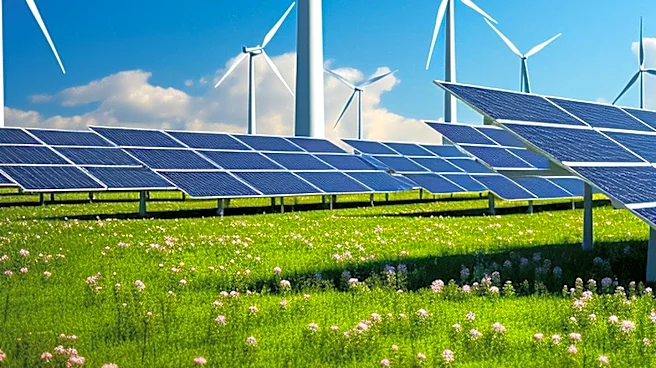
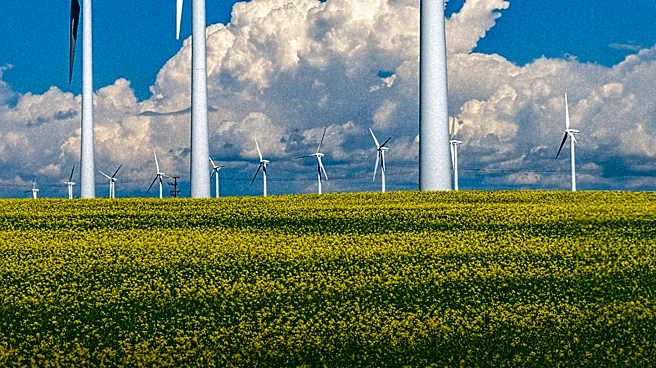
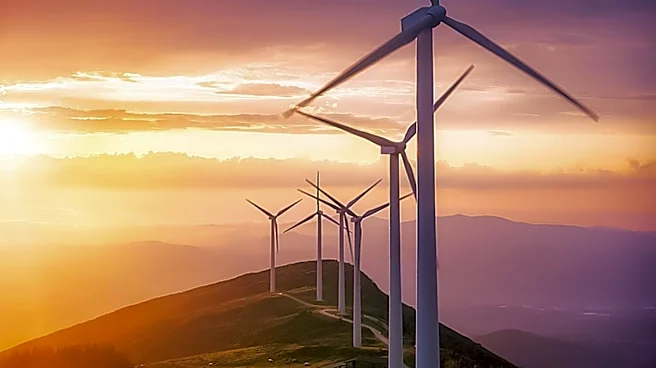
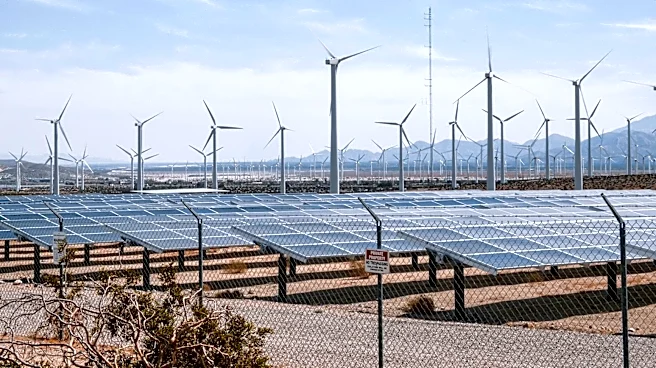
Looking ahead, the U.S. energy sector is expected to continue its transition towards more sustainable energy sources. The demand for electricity is projected to grow faster than at any time since 2000, driven by the increasing use of data centers and electric vehicles. This growth presents both challenges and opportunities for energy providers and policymakers. The continued expansion of renewable energy infrastructure, such as wind and solar farms, will be essential to meet the rising demand. Additionally, advancements in energy storage and grid management will play a critical role in ensuring a reliable and resilient energy supply. Policymakers will need to address regulatory and economic barriers to facilitate this transition and support innovation in the energy sector.
Beyond the Headlines
The shift in energy consumption patterns also raises important ethical and cultural considerations. The move towards cleaner energy sources aligns with broader societal values of environmental stewardship and sustainability. However, it also necessitates a careful balance between economic growth and environmental protection. The transition may impact communities dependent on traditional energy industries, such as coal mining, requiring targeted support and retraining programs. Furthermore, the integration of renewable energy into the grid poses technical challenges that require innovative solutions. As the U.S. continues to navigate this energy transition, it will be crucial to ensure that the benefits are equitably distributed and that vulnerable communities are not left behind.