


What's Happening?
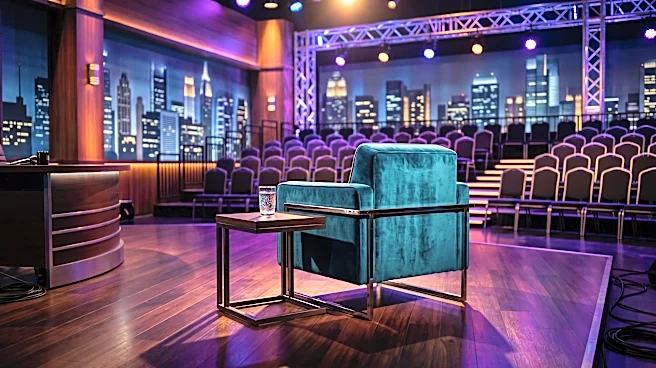
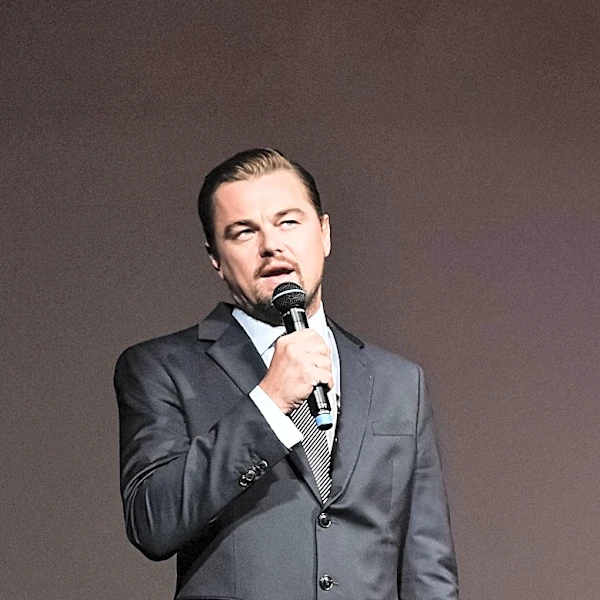
Florida Republican Jimmy Patronis has publicly declared musician Jelly Roll unwelcome in Florida's Panhandle. This statement came after Jelly Roll, whose real name is Jason Bradley DeFord, made jokes about President Trump's weight and health during his guest-hosting
stint on 'Jimmy Kimmel Live!'. Patronis, who had previously invited Jelly Roll to perform at Gulf Coast Jam, posted on X (formerly Twitter) that the singer was '100% not welcomed to Florida’s panhandle,' adding, 'I don’t even want to see his bus on I-10.' Patronis further criticized Jelly Roll as a 'token 'country' star' for 'libs in California' and told him to take 'TDS elsewhere,' referring to 'Trump Derangement Syndrome.' Jelly Roll defended his comments by stating that late-night shows are platforms for discussing news and making jokes, and expressed surprise that his weight-related joke caused such a strong reaction.
Why It's Important?
This incident highlights the increasing polarization within American entertainment and politics, where public figures are often scrutinized for their political leanings and comments. The swift and strong reaction from a state Republican official like Jimmy Patronis against a popular musician underscores the sensitivity surrounding political discourse, particularly concerning President Trump. It also reflects a broader trend where artists face potential backlash and alienation from segments of their fanbase or political figures if their views do not align with certain ideologies. For Florida, a state with a significant conservative base, such declarations from elected officials can influence public perception and potentially impact cultural events and tourism, as it signals a stance on what is considered acceptable public commentary within the state.
What's Next?
The immediate aftermath could see continued debate on social media and in conservative media outlets regarding Jelly Roll's comments and Patronis's response. Jelly Roll may face further criticism or support from different fan bases and political groups. This event could also prompt other public figures to be more cautious or more vocal about their political stances, depending on their audience. For Florida, it might lead to discussions about the role of political figures in dictating cultural acceptance within the state. There is no indication of any formal action being taken against Jelly Roll, but the public declaration from a state official could have informal consequences on his reception in certain parts of Florida.
Beyond the Headlines
This situation delves into the complex interplay between celebrity culture, political commentary, and freedom of speech in a highly divided nation. It raises questions about the boundaries of humor in late-night television, especially when it targets political figures. The use of terms like 'Trump Derangement Syndrome' by a public official further illustrates the deep ideological chasm in American society. The incident also touches on the evolving definition of 'country' music and its audience, as Patronis's comment about Jelly Roll being a 'token 'country' star' suggests a perceived ideological purity within the genre. This event could contribute to a chilling effect on artists who fear alienating parts of their audience or facing political condemnation for expressing views that are not universally accepted.