




What's Happening?
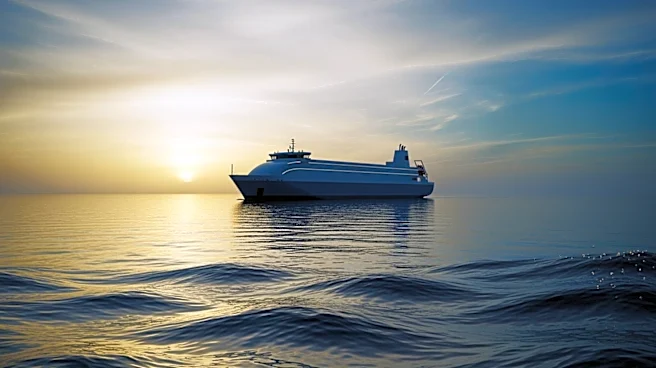
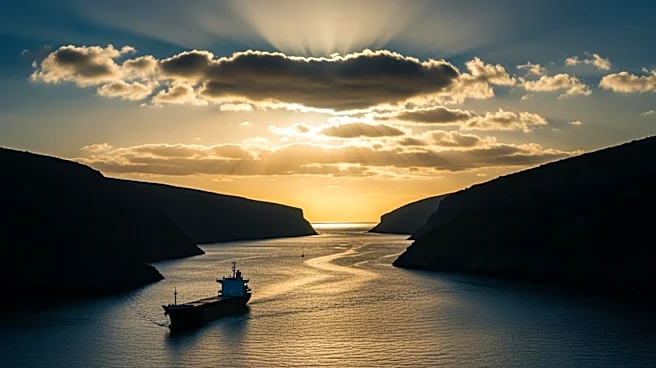
President Trump announced a plan to free ships stranded in the Strait of Hormuz, describing it as a 'humanitarian gesture' for neutral countries not involved in the U.S.-Israeli conflict with Iran. This initiative, dubbed 'Project Freedom,' comes amid
ongoing tensions and a U.S. response to Iran's 14-point peace offer, which Trump is likely to reject. The conflict has disrupted Gulf oil flows, leading to a surge in U.S. oil exports. Meanwhile, OPEC+ plans to increase oil production, but the impact is limited due to the closure of the Strait. The situation remains tense as geopolitical dynamics continue to evolve.
Why It's Important?
The situation in the Strait of Hormuz is critical for global oil markets, as it is a vital energy artery. The U.S. initiative to free stranded ships could help ease some of the disruptions in oil supply, potentially stabilizing energy prices. However, the ongoing conflict and the U.S.'s likely rejection of Iran's peace proposal suggest that tensions may persist, affecting global trade and economic stability. The geopolitical implications extend beyond the Middle East, with potential impacts on U.S.-China relations and broader international diplomacy.
What's Next?
The success of 'Project Freedom' will depend on the U.S.'s ability to navigate the complex geopolitical landscape and manage potential confrontations with Iran. The response from Iran and other regional players will be crucial in determining the project's outcome. Additionally, the international community will be watching closely, as the situation could influence future diplomatic negotiations and energy policies.