






What's Happening?
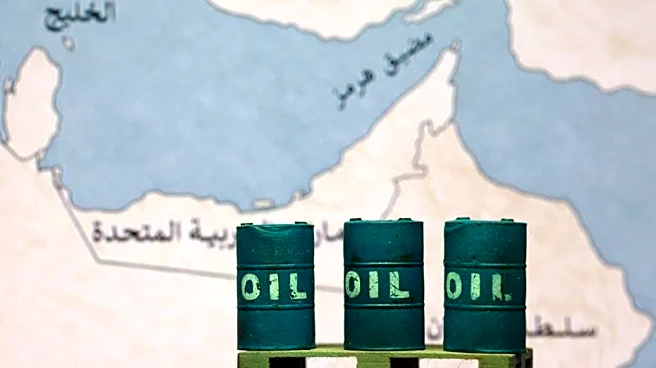
Saudi Arabia is actively expanding its tourism strategy, moving beyond its traditional focus on religious pilgrimage to Mecca and Medina. This shift is a core component of Saudi Vision 2030, an initiative designed to diversify the nation's economy away
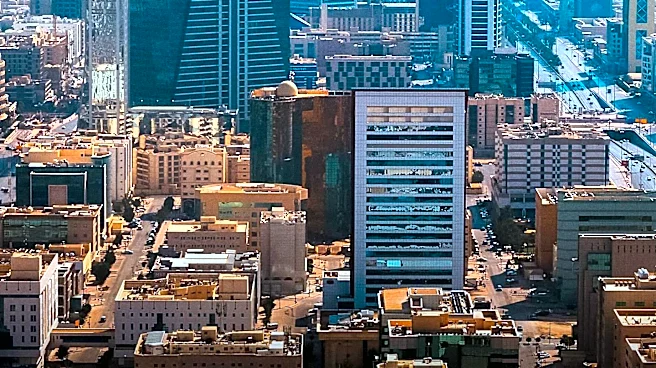
from oil dependency. The new strategy aims to build a comprehensive travel ecosystem encompassing cultural, luxury, adventure, entertainment, and nature tourism. Key development areas include heritage sites, premium resorts, desert and mountain activities, and coastal destinations. While religious tourism remains a significant part of the visitor economy, attracting millions annually for Umrah and Hajj, the kingdom is investing heavily in new attractions and infrastructure to appeal to a broader international audience. This includes developing regions like AlUla for heritage and culture, the Red Sea coastline for leisure, Riyadh as a hub for entertainment and events, and Jeddah for its coastal lifestyle and historic heritage. The goal is to offer diverse experiences that cater to various traveler segments, from archaeology enthusiasts to those seeking luxury stays or outdoor adventures.
Why It's Important?
This strategic diversification is crucial for Saudi Arabia's long-term economic stability and global positioning. By reducing reliance on oil, the kingdom aims to create new revenue streams and employment opportunities within the tourism sector. The development of a robust tourism infrastructure, including new hotels, resorts, and transport networks, will attract significant international investment and foster economic growth. For the global tourism industry, Saudi Arabia's emergence as a multifaceted destination introduces a major new player, potentially shifting travel patterns in the Middle East and beyond. It also signifies a broader trend of nations leveraging their cultural and natural assets to attract diverse travelers. The success of Vision 2030's tourism component could serve as a model for other economies seeking to diversify and build sustainable, non-oil-dependent industries. The initiative also highlights the increasing demand for varied travel experiences, pushing destinations to offer more than a single type of attraction.
What's Next?
Saudi Arabia is expected to continue its aggressive investment in tourism infrastructure and marketing campaigns to promote its new offerings. The ongoing development of mega-projects like AlUla and the Red Sea coastline will likely attract more international hospitality brands and visitors. Future efforts will focus on balancing rapid development with heritage protection and sustainability to ensure the long-term viability of these new tourism ventures. The kingdom will also need to address the evolving preferences of global travelers, who are increasingly seeking authentic experiences and value for money, especially given elevated prices and economic uncertainties. Continued improvements in transport, accommodation, and visitor services for religious tourism will also remain a priority, integrating them into the broader tourism strategy. The success of these initiatives will be measured by the sustained growth in international visitor numbers and the economic contributions of the diversified tourism sector.
Beyond the Headlines
The transformation of Saudi Arabia's tourism sector carries significant cultural and social implications. By opening up to a wider range of international visitors and promoting diverse experiences, the kingdom is subtly engaging in a form of cultural exchange, potentially influencing global perceptions of Saudi society. This shift could lead to a modernization of certain social norms and an increased exposure to different cultures within the country. Ethically, the rapid development raises questions about environmental impact and the preservation of natural and historical sites, particularly in areas like AlUla and the Red Sea. The balance between economic growth and sustainable practices will be a critical challenge. Furthermore, the emphasis on luxury and entertainment tourism could reshape the national identity, moving it towards a more cosmopolitan image while still honoring its deep-rooted religious heritage. This ambitious undertaking reflects a broader trend in the Middle East where nations are strategically leveraging tourism as a tool for economic and social evolution.