






What's Happening?
A new global analysis spanning nearly 30 years, conducted by researchers at Tufts University, reveals that children and adolescents worldwide are consuming insufficient amounts of healthy plant-based foods. The study, published in BMJ Global Health, specifically
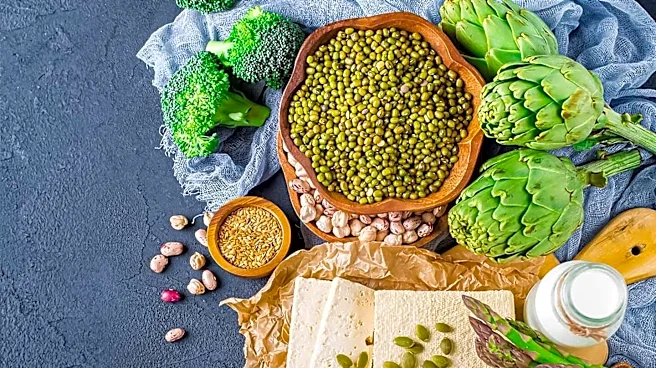
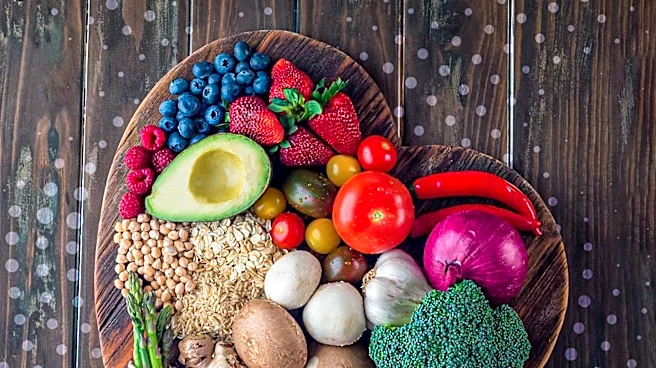
highlights a concerning trend in the United States: daily consumption of healthy plant-based foods decreases significantly with age. American children show some of the highest intake levels during infancy but transition to among the lowest by later childhood and adolescence. This pattern contrasts with most other countries, where intake generally increases with age. Researchers analyzed dietary data from the Global Dietary Database, compiling information from over 1,200 dietary surveys across 185 countries between 1990 and 2018. They focused on five healthful plant-based foods: fruits, non-starchy vegetables, starchy vegetables (excluding potatoes), beans and legumes, and nuts and seeds, for individuals from birth to 19 years of age.
Why It's Important?
This decline in healthy plant-based food consumption among U.S. youth carries significant implications for public health and long-term societal well-being. Healthy plant-based foods are crucial for normal growth, learning, mood, and long-term health, providing essential nutrients. The observed reversal in consumption patterns in the U.S., where early healthy habits are not sustained, suggests a systemic challenge in maintaining nutritious diets throughout childhood and adolescence. This could contribute to higher rates of diet-related diseases later in life, increasing healthcare burdens and reducing overall quality of life. The findings underscore the need for targeted interventions and policies to support healthy eating habits beyond infancy, particularly in high-income countries where this decline with age is more pronounced. Addressing this issue could lead to a healthier future generation, reducing the prevalence of chronic illnesses and improving cognitive and physical development.
What's Next?
The findings from Tufts University call for immediate attention to dietary strategies for U.S. youth. Policymakers, educators, and healthcare providers will likely need to collaborate on initiatives aimed at promoting and sustaining healthy plant-based food intake beyond early childhood. This could involve developing educational programs in schools, implementing healthier food options in school cafeterias, and creating public awareness campaigns targeting parents and adolescents. Further research is needed to identify the specific factors contributing to the decline in consumption in the U.S., such as youth autonomy, food environments, and cultural norms. Understanding these drivers will be crucial for designing effective interventions. The study's authors emphasize the importance of identifying gaps and advancing solutions to increase the consumption of minimally processed, healthy plant-based foods for children globally, with a particular focus on the unique challenges faced in the U.S.
Beyond the Headlines
The study's revelation that healthy plant-based food consumption decreases with age in high-income countries, particularly in the U.S., points to deeper societal and cultural shifts. This trend may reflect the increasing availability and marketing of processed foods, the influence of peer culture on dietary choices, and potentially a lack of consistent nutritional education as children grow older. The contrast with other regions, where intake often increases with age, suggests that economic development and food abundance do not automatically translate to healthier eating habits. This raises ethical questions about food marketing directed at children and adolescents, and the responsibility of food industries to offer nutritious options. Culturally, it highlights a potential disconnect between early childhood nutritional practices and the broader food environment encountered by older children and teenagers, indicating a need for a more holistic approach to fostering lifelong healthy eating habits.