






What's Happening?
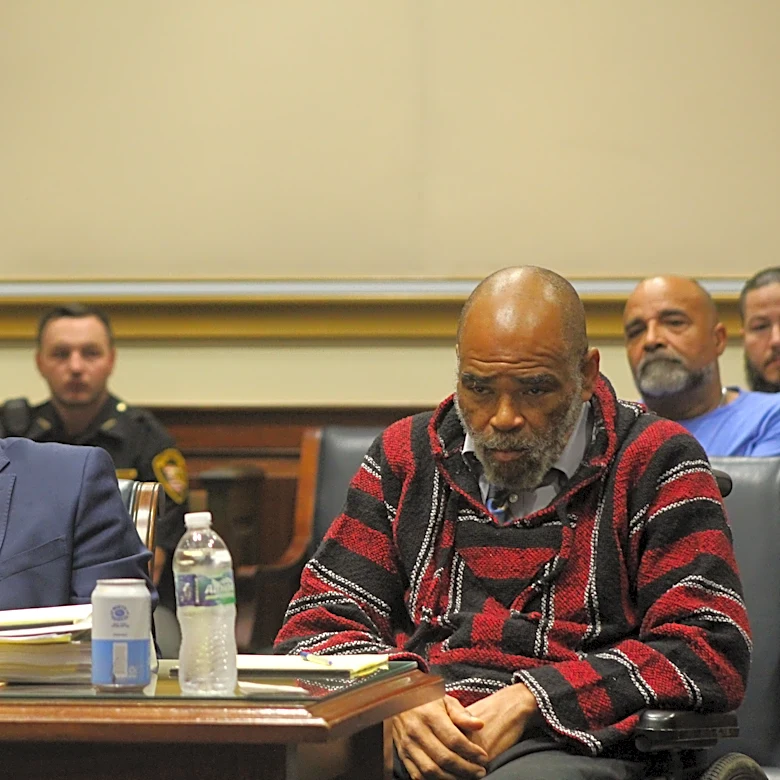
Larry Lewis Black, a 52-year-old man with a multi-state criminal history, has been sentenced to 10 years in the state penitentiary for a burglary at Riddle’s Jewelry in Brookings, South Dakota. The sentencing, handed down by Third Judicial Circuit Court
Judge Abigail Howard on September 22, followed Black's guilty plea on July 14 to charges of third-degree burglary, grand theft, and intentional damage to property. The incident occurred on March 3, when Brookings police responded to a shattered front glass door and a smashed display case at the jewelry store, from which $78,000 worth of diamond rings were stolen. Investigators recovered a blood smear at the scene, and surveillance footage showed a suspect fleeing on a bicycle. DNA evidence from the blood sample linked Black, who was residing in Normandy Village, to the crime, leading to his arrest on April 15. Brookings County State’s Attorney Dan Nelson noted Black's history of violence and theft across the country, emphasizing that the plea negotiations resulted in the recovery of all stolen merchandise.
Why It's Important?
This sentencing underscores the effectiveness of forensic evidence, specifically DNA, in solving property crimes and bringing repeat offenders to justice. The case highlights the challenges faced by local law enforcement in dealing with individuals who have extensive criminal records spanning multiple states, necessitating inter-agency cooperation and robust investigative techniques. For businesses, particularly those dealing in high-value goods like jewelry stores, the incident serves as a reminder of the persistent threat of burglary and the importance of security measures. The successful recovery of the stolen merchandise, as a result of the plea negotiations, offers a measure of restitution to the affected business and demonstrates the justice system's capacity to mitigate financial losses for victims. Furthermore, the 10-year prison sentence for a multi-state offender sends a clear message about the consequences of such crimes, potentially deterring similar acts in the community and enhancing public safety.
What's Next?
Larry Lewis Black will now serve his 10-year sentence in the state penitentiary, with consecutive sentences for all three counts: five years for Burglary in the Third Degree (with three years suspended), 10 years for Grand Theft (with four years suspended), and five years for Intentional Damage to Property (with three years suspended). His incarceration will remove a repeat offender from the community for a significant period. Law enforcement agencies may continue to monitor individuals with multi-state criminal records, especially those with a history of property crimes, to prevent future incidents. For businesses in Brookings and similar communities, this case might prompt a review of existing security protocols and potentially lead to increased investment in surveillance and alarm systems to deter future burglaries. The successful use of DNA evidence in this case could also encourage broader adoption of forensic techniques in local investigations.
Beyond the Headlines
The case of Larry Lewis Black brings to light the broader issue of recidivism and the challenges of managing offenders with multi-state criminal histories. It raises questions about the efficacy of current systems for tracking and rehabilitating individuals who repeatedly engage in criminal activities across different jurisdictions. The fact that Black had prior convictions in Illinois and Minnehaha County, South Dakota, suggests a pattern of behavior that transcends local boundaries, highlighting the need for enhanced inter-state communication and data sharing among law enforcement and correctional facilities. The recovery of all stolen merchandise through plea negotiations also touches upon the ethical considerations of such agreements, balancing the need for justice with practical outcomes like victim restitution. This incident could spark discussions within the legal community about the balance between punitive measures and restorative justice, especially in cases involving significant financial loss to businesses.