







What's Happening?
In the late 1930s, three Jewish refugees from Nazi Germany, Robert Abraham, Victor Urbancic, and Heinz Edelstein, arrived in Iceland, a country with no established classical music scene and restrictive immigration policies against Jews. Despite these
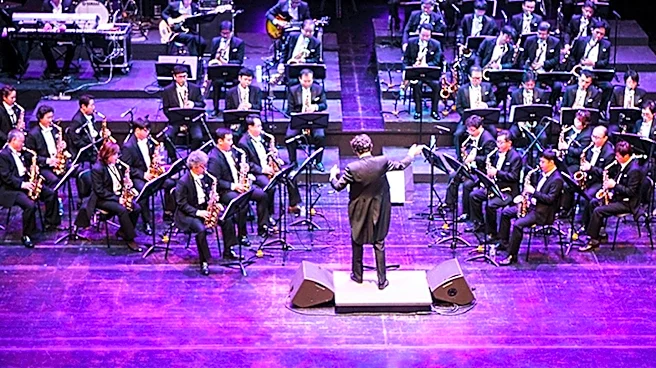
challenges, they played pivotal roles in developing Iceland's classical music infrastructure. Urbancic became the chief conductor of the Reykjavik Orchestra, which evolved into the Iceland Symphony Orchestra. Abraham contributed significantly to Icelandic choral music, while Edelstein helped establish music education systems. Their contributions are detailed in a book by Icelandic musicologist Árni Heimir Ingólfsson, highlighting their impact on Iceland's cultural landscape.
Why It's Important?
The story of these musicians underscores the profound impact of immigration on cultural development, even in countries with initially hostile policies. Their success in Iceland illustrates how refugees can contribute significantly to their host countries, enriching cultural and artistic landscapes. This narrative also serves as a reminder of the historical challenges faced by Jewish refugees during the Nazi era and the importance of preserving their stories. The musicians' legacy continues to influence Iceland's music scene, demonstrating the lasting benefits of embracing diverse talents and backgrounds.
What's Next?
Recognition of the contributions made by these musicians is growing, with efforts to document and celebrate their legacy. The Exile Museum in Berlin has initiated a series highlighting refugee stories, with Iceland's narrative being featured prominently. This increased awareness may lead to further research and acknowledgment of the role of refugees in shaping cultural identities. Additionally, the story encourages ongoing discussions about immigration policies and the potential benefits of welcoming diverse talents into communities.
Beyond the Headlines
The story of these musicians also highlights the ethical considerations in documenting refugee contributions. It emphasizes the need to balance recognizing their artistic achievements with understanding their experiences as refugees. This narrative challenges the perception of refugees solely as victims, instead showcasing their resilience and ability to thrive in new environments. The musicians' story is a testament to the power of art and culture in bridging divides and fostering understanding across different communities.