
What's Happening?
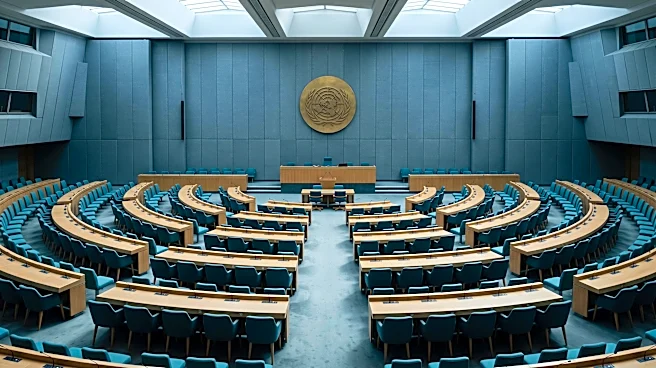
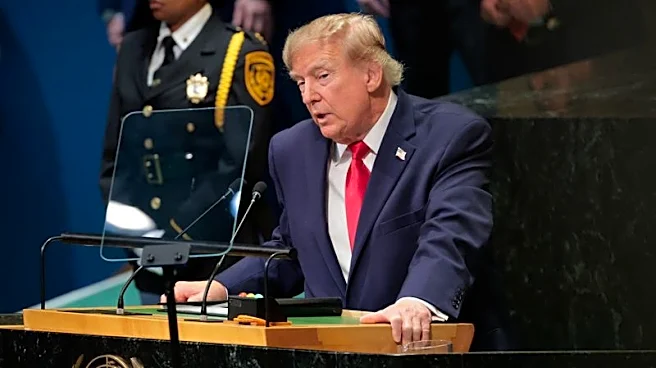
The United Nations General Assembly has introduced a new Country Support Mechanism on Critical Energy Transition Minerals. This program, launched on September 23, aims to assist resource-rich developing
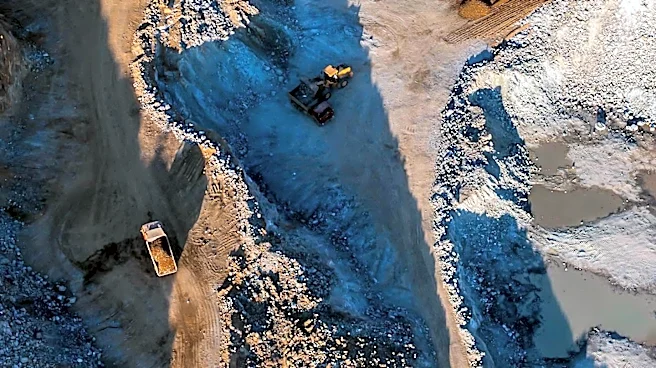
nations in establishing sustainable critical minerals industries and increasing the domestic value extraction from their resources. UN Secretary-General António Guterres stated that the mechanism is designed to ensure that countries supplying raw materials for clean energy technologies benefit more directly from their mineral wealth. The initiative will initially provide dedicated support to Guinea, Indonesia, Madagascar, Nigeria, Zambia, and Zimbabwe. The program will focus on offering technical and capacity-building assistance to these countries, helping them strengthen governance, expand mineral processing capabilities, foster industrial development, and enhance environmental and social safeguards. This move is intended to help these nations transition from being raw material exporters to gaining more substantial value from their critical mineral resources.
Why It's Important?
This UN initiative is significant for the global energy transition and economic equity. As the demand for critical minerals, essential for clean energy technologies, continues to rise, this mechanism addresses the historical imbalance where developing nations often export raw materials with minimal domestic processing or value addition. By supporting these countries in building their own processing capacities and industrial development, the program can lead to increased economic prosperity and job creation within these nations. This shift could also contribute to more resilient and diversified global supply chains for critical minerals, reducing reliance on a few dominant processing hubs. For U.S. industries and consumers, a more stable and ethically sourced supply of critical minerals could mitigate price volatility and geopolitical risks associated with these vital resources, ultimately supporting the broader transition to clean energy technologies.
What's Next?
The Country Support Mechanism will begin by providing dedicated assistance to its initial partners: Guinea, Indonesia, Madagascar, Nigeria, Zambia, and Zimbabwe. The program's focus will be on implementing technical and capacity-building initiatives to strengthen governance, enhance mineral processing, promote industrial development, and improve environmental and social safeguards in these nations. This will involve working closely with local governments and stakeholders to develop tailored strategies for each country. The UN anticipates that this mechanism will facilitate a transition for these nations from being mere raw material exporters to actively participating in the higher-value segments of the critical minerals supply chain. Success in these initial partnerships could lead to the expansion of the program to other resource-rich developing countries, further solidifying a more equitable and sustainable global critical minerals landscape.
Beyond the Headlines
Beyond the immediate economic benefits, this UN mechanism carries profound ethical and geopolitical implications. Historically, resource extraction in developing nations has often been associated with exploitation, environmental degradation, and limited local benefits. This initiative signals a global recognition of the need for a more equitable distribution of wealth and control over natural resources. By empowering developing nations to process their own minerals, it challenges existing power dynamics in global trade and resource management. This could lead to increased sovereignty for these nations over their natural assets and foster greater self-reliance. Furthermore, the emphasis on environmental and social safeguards within the program highlights a growing commitment to responsible sourcing and sustainable development, which could set new standards for the critical minerals industry worldwide and influence corporate social responsibility practices.