
What's Happening?
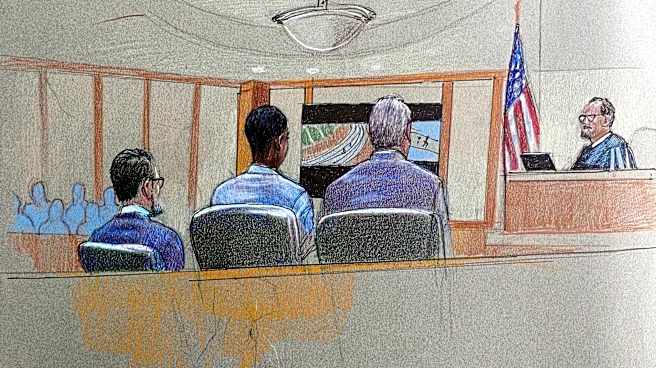
Karmelo Anthony, sentenced to 35 years for the fatal stabbing of 17-year-old Austin Metcalf, is seeking a new trial. His legal team argues that an agreement between the prosecution and defense to withhold
certain evidence from the jury compromised his June trial. This evidence included details about Anthony's past text fantasizing about stabbing someone, his alleged obsession with guns and knives, and his anger on the day of the incident. Conversely, information about Metcalf's history of fighting and using racist language, and bullying Black classmates, was also withheld. Both legal teams reportedly agreed to this to de-escalate racial tensions and death threats surrounding the case, which had been amplified by social media. The original judge, John Roach, was removed from the case after a TV interview where he stated jurors 'got it right' with the guilty verdict, and a new judge, Michael Chitty, is now considering the motion for a retrial.
Why It's Important?
This case highlights critical issues within the U.S. justice system regarding the transparency of legal proceedings and the potential impact of external pressures, such as social media and racial tensions, on a fair trial. The decision by both prosecution and defense to withhold potentially relevant character evidence, even with the stated intention of reducing racial animosity and ensuring safety, raises questions about due process and the jury's right to a complete picture. If a new trial is granted, it could set a precedent for how courts handle cases with significant public and racial implications, potentially influencing future agreements between legal teams on what evidence is presented. The removal of Judge John Roach also underscores the importance of judicial impartiality and the ethical boundaries of judges commenting on ongoing or recently concluded cases, especially when appeals are pending.
What's Next?
The hearing on Karmelo Anthony's motion for a new trial is expected to continue, with Judge Michael Chitty presiding. There is no immediate indication of when Judge Chitty will rule on the request. If a new trial is granted, it would mean a complete re-evaluation of the evidence and potentially a different outcome for Anthony. Conversely, if the motion is denied, Anthony's legal team may pursue further appeals. The outcome will likely influence discussions around judicial conduct, prosecutorial discretion, and defense strategies in high-profile cases, particularly those with racial undertones. The case will continue to be watched for its implications on legal ethics and the administration of justice in the face of public pressure.
Beyond the Headlines
The underlying agreement to withhold evidence, driven by concerns over racial tensions and threats, reveals a complex ethical dilemma faced by the legal system. While the intention may have been to protect individuals and maintain order, it raises questions about whether such agreements inadvertently compromise the integrity of the trial process by limiting the jury's access to all pertinent facts. This situation could lead to broader discussions about the role of social media in influencing legal proceedings and the extent to which courts should accommodate public sentiment versus strictly adhering to legal principles. It also highlights the challenges of ensuring a fair trial in an era where information, and misinformation, can spread rapidly and intensely, potentially impacting the safety of those involved in the legal process.