
What's Happening?
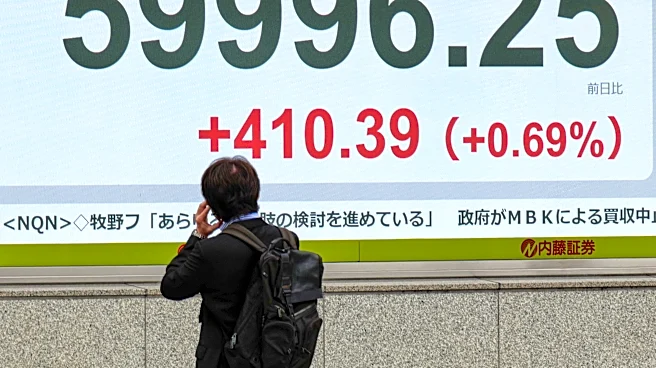
Emerging market stocks and currencies have dropped due to ongoing tensions in the Middle East, which have kept crude oil prices above $100 per barrel. The lack of U.S.-Iran negotiations and restrictions
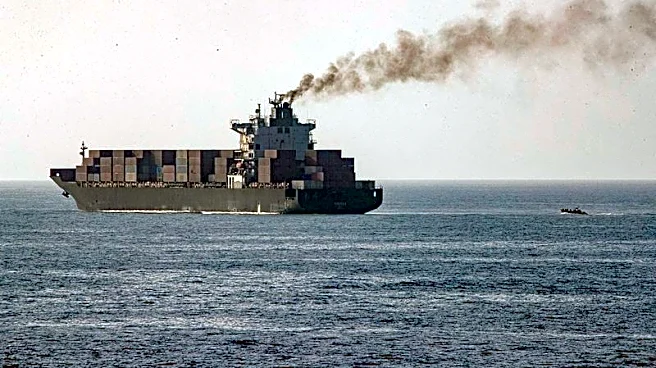
on shipping through the Strait of Hormuz are contributing to fears of a global economic slowdown. As a result, investors are turning to the safe-haven dollar, causing declines in emerging market currencies. Central banks in countries like Indonesia and India are intervening to stabilize their currencies. The high energy prices are expected to impact corporate earnings, particularly in energy-deficient regions.
Why It's Important?
The sustained high crude oil prices due to Middle East tensions have significant implications for global markets, particularly for energy-importing countries. These nations face increased costs, which can lead to inflationary pressures and impact economic growth. The situation underscores the vulnerability of global markets to geopolitical events and the interconnectedness of energy prices and economic stability. The response of central banks and governments to these challenges will be crucial in mitigating potential economic disruptions.
What's Next?
As tensions in the Middle East persist, the focus will be on diplomatic efforts to ease the situation and stabilize oil prices. Countries affected by high energy costs may seek financial support or policy adjustments to manage the economic impact. Additionally, the potential for further geopolitical developments could influence market dynamics, requiring ongoing monitoring by investors and policymakers.