






What's Happening?
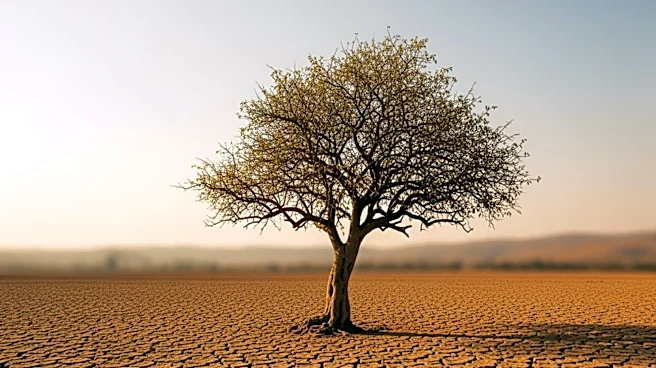
The myrrh tree, a critical component in luxury perfumes, is facing severe threats due to a historic drought in Ethiopia's Somali region. The drought has led to a scarcity of water and increased grazing pressure from starving livestock, endangering the
trees that produce the valuable resin. Researchers supported by the American Herbal Products Association and Born Global have visited the region to ensure that local harvesters receive fair profits from the resin, which is traditionally collected from naturally occurring wounds on the trees. Despite the high market value of perfumes containing myrrh, local harvesters earn very little, with prices ranging from $3.50 to $10 per kilogram. The drought has exacerbated the situation, with fewer young trees surviving and adult trees producing less resin.
Why It's Important?
The situation in Ethiopia highlights the broader impact of climate change on traditional industries and local economies. Myrrh is a significant export for Ethiopia, used in perfumes marketed by major brands like Tom Ford and Jo Malone. The declining health of myrrh trees threatens the livelihoods of local communities who rely on resin harvesting. As climate change continues to affect rainfall patterns, the sustainability of myrrh production is at risk, potentially leading to economic losses for both local harvesters and international perfume manufacturers. The crisis underscores the need for sustainable practices and fair trade policies to support vulnerable communities and protect natural resources.
What's Next?
Efforts are underway to improve the visibility and market access for local harvesters, potentially allowing them to secure better prices for their resin. Researchers are advocating for traditional harvesting methods that protect the trees and ensure high-quality resin production. However, without significant changes in climate patterns, the long-term survival of myrrh trees remains uncertain. The local community hopes that increased awareness and direct market access will provide economic relief and support sustainable livelihoods.
Beyond the Headlines
The myrrh tree crisis in Ethiopia also raises ethical questions about the global supply chain and the distribution of profits. While luxury brands benefit from high-priced perfumes, the local harvesters who perform the labor-intensive work see minimal financial returns. This disparity highlights the need for more equitable trade practices and the importance of supporting indigenous knowledge and sustainable harvesting methods. Additionally, the cultural significance of myrrh in religious and traditional practices adds another layer of complexity to the issue.