





What's Happening?
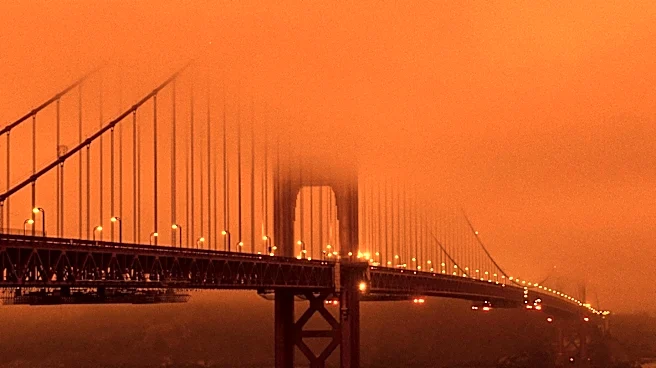
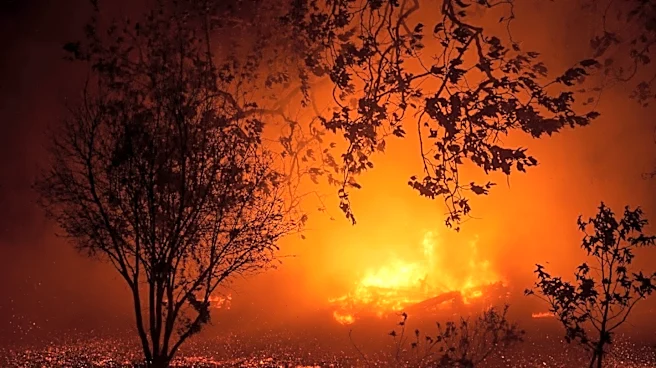
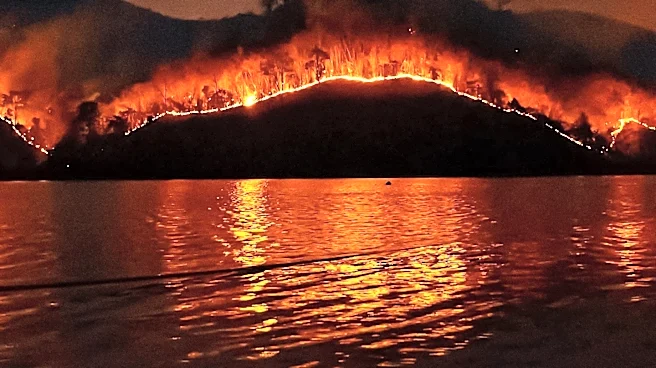
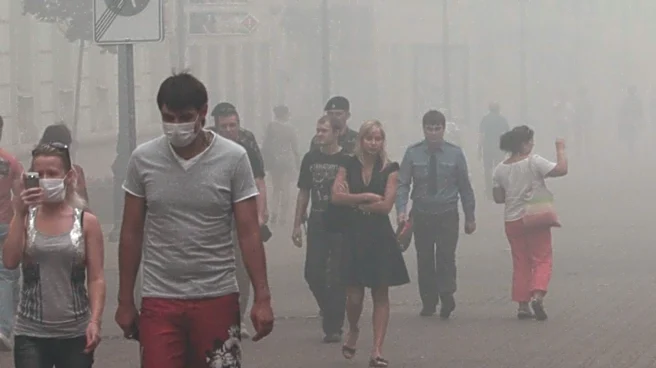
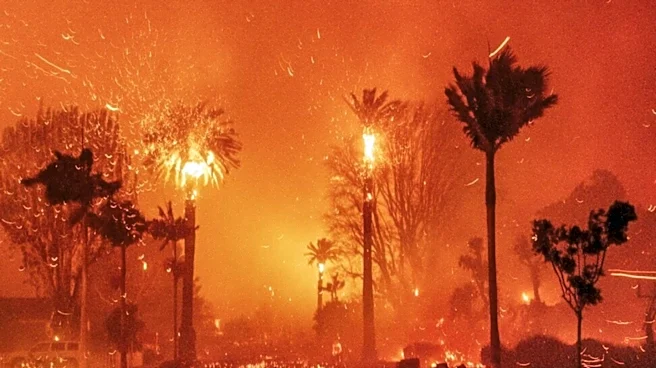
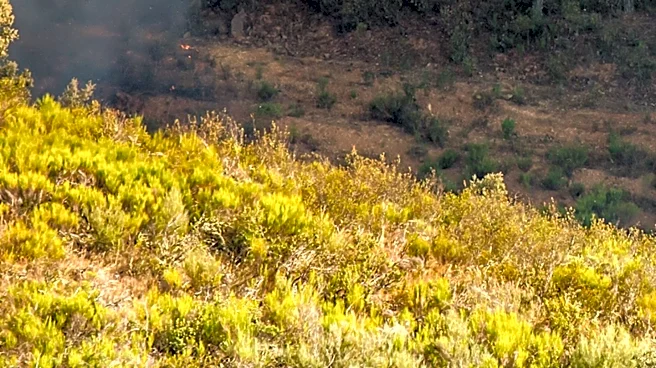
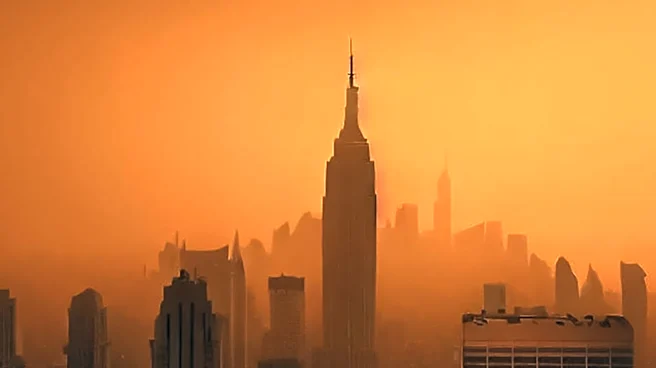
The Midwest is experiencing a summer marked by fluctuating weather conditions, including smoke from Canadian wildfires, heatwaves, and storms. This has led to increased air quality concerns, prompting residents to adapt their summer activities. Many are
now checking air quality indices before planning outdoor events, as smoke has become a recurring issue. This has resulted in the cancellation of various summer sporting events and the temporary closure of neighborhood pools. The situation has also led to a resurgence of mask-wearing among some residents, reminiscent of the COVID-19 pandemic.
Why It's Important?
The current situation highlights the growing impact of climate-related events on daily life in the Midwest. The need to constantly monitor air quality and weather conditions reflects a shift in how residents plan their activities, potentially affecting local economies and public health. The recurring smoke and heat issues may lead to long-term changes in community behavior and infrastructure, as well as increased awareness and advocacy for environmental policies. The situation also underscores the importance of addressing climate change and its effects on regional weather patterns.
Beyond the Headlines
The ongoing air quality issues may signal a generational shift in how summer is experienced in the Midwest. Younger generations may grow up accustomed to these conditions, altering traditional summer activities and expectations. This could lead to changes in urban planning, with increased emphasis on indoor recreational facilities and air quality management. The situation also raises questions about risk tolerance and public health strategies, as communities adapt to new environmental challenges.