





What's Happening?
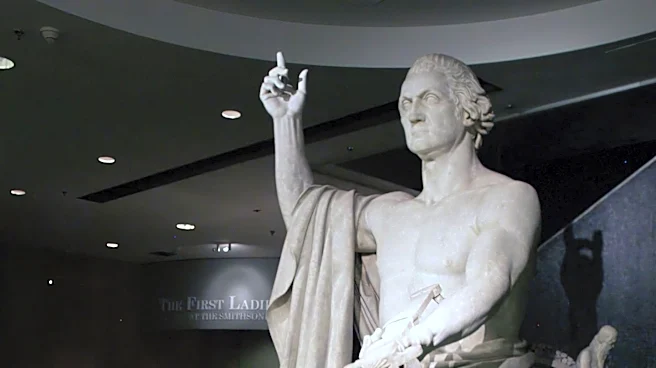
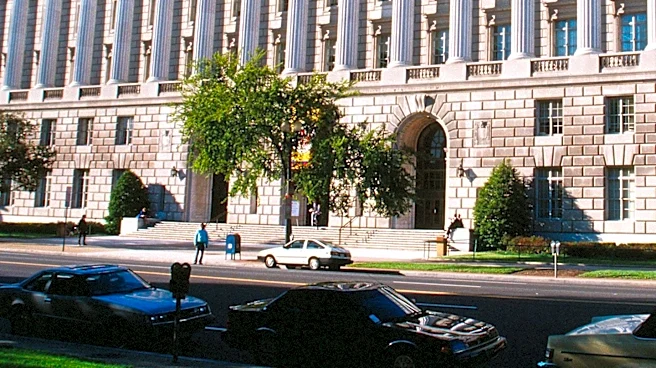
President Trump has issued an executive order directing the installation of signs outside the Smithsonian's National Museum of American History. The order follows a report by the White House Domestic Policy Council, which accuses the museum of promoting
'anti-Americanism' and 'extreme political activism.' The signs, to be placed on sidewalks managed by the National Park Service, aim to correct what Trump describes as 'inaccurate information' presented by the museum. This move is part of a broader campaign by Trump to reshape the portrayal of U.S. history from a conservative perspective, amidst criticism from historians and museum officials.
Why It's Important?
This executive order reflects ongoing tensions between the Trump administration and cultural institutions over the representation of American history. The directive could influence public perception of historical narratives and impact the autonomy of cultural institutions like the Smithsonian. Critics argue that such actions may undermine historical accuracy and academic freedom, while supporters believe it addresses perceived biases in historical interpretation. The controversy highlights broader debates about national identity and the role of government in cultural affairs.
What's Next?
The Smithsonian and its leadership may face increased scrutiny and potential changes in how exhibits are curated. The executive order could lead to further actions by the administration to influence cultural institutions. Responses from historians, civil rights groups, and the public will likely shape the ongoing discourse on historical representation and government intervention. The situation may also prompt legislative or judicial challenges regarding the independence of cultural institutions.