







What's Happening?
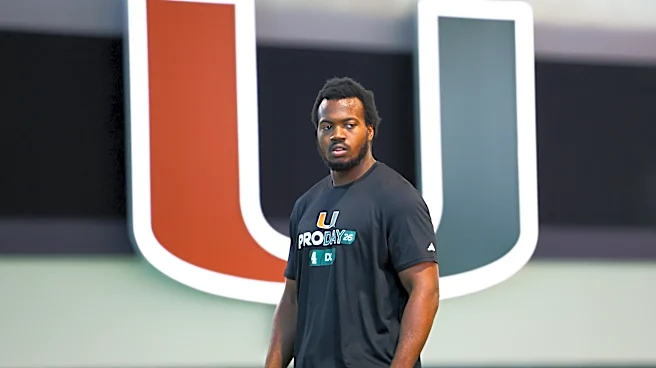
Luther Davis, a former University of Alabama football player, is set to plead guilty to charges related to a scheme in which he impersonated NFL players to secure fraudulent loans totaling nearly $20 million. The U.S. Attorney for the Northern District
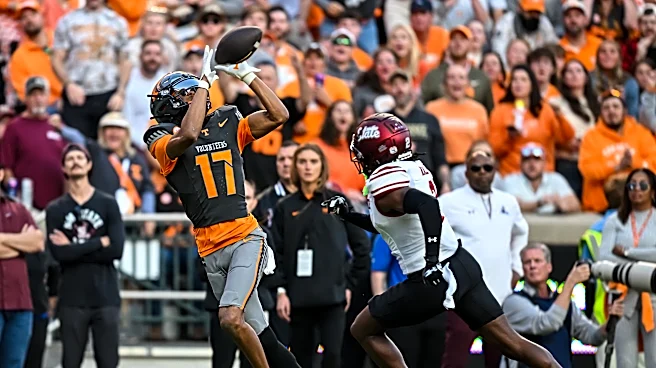
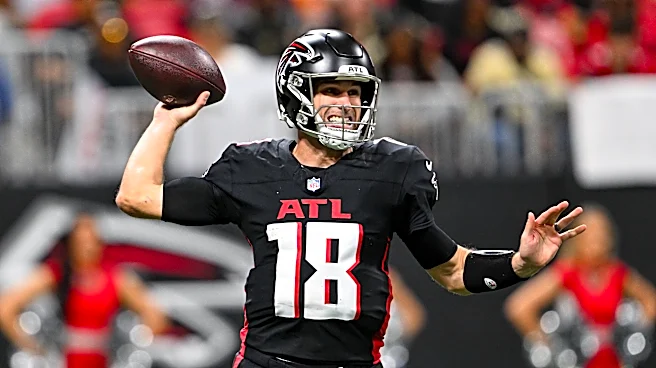
of Georgia detailed the allegations, which include Davis and his partner, CJ Evins, obtaining at least thirteen fraudulent loans by impersonating professional football players such as David Njoku, Xavier McKinney, and Michael Penix Jr. The scheme involved creating fake companies, bank accounts, and identification documents to deceive lenders. Davis reportedly appeared at virtual loan closings in disguise, using wigs and makeup to impersonate the athletes. Both Davis and Evins are expected to enter guilty pleas, facing charges of aggravated identity theft and conspiracy to commit wire fraud.
Why It's Important?
This case highlights significant vulnerabilities in financial systems, particularly concerning identity verification processes. The fraudulent activities carried out by Davis and Evins underscore the potential for exploitation within the lending industry, especially when high-profile identities are involved. The case also raises concerns about the security measures in place to protect personal and financial information. For the sports industry, this incident could lead to increased scrutiny and tighter regulations around financial dealings involving athletes. The legal consequences for Davis and Evins could serve as a deterrent to similar fraudulent activities, emphasizing the importance of robust identity verification processes in financial transactions.
What's Next?
A plea hearing for Davis and Evins is scheduled for April 27, where they are expected to formally plead guilty. The charges they face could result in significant prison sentences, particularly for conspiracy to commit wire fraud, which carries a potential sentence of up to 20 years. The outcome of this case may prompt financial institutions to review and strengthen their identity verification and loan approval processes to prevent similar frauds. Additionally, the sports industry might see increased efforts to protect athletes' identities and financial interests, potentially leading to new policies and partnerships with financial institutions to safeguard against identity theft.