
What's Happening?
China and Russia have issued strong condemnations of the military actions taken by the United States and Israel against Iran, which began in February 2026. Both countries have criticized the strikes as
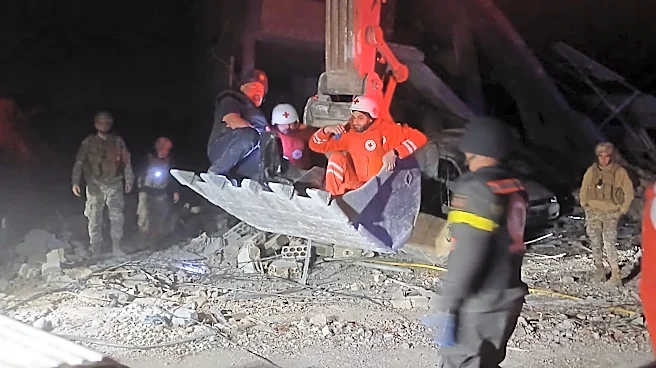
violations of international law and have called for an immediate cessation of hostilities. The conflict has resulted in significant casualties and damage to civilian infrastructure in Iran and neighboring Gulf states. China and Russia have emphasized the need for a return to diplomatic negotiations and have expressed concerns about the potential for the conflict to escalate further, affecting regional stability and global economic conditions. The two nations have also highlighted the importance of respecting Iran's sovereignty and have criticized the U.S. and Israel for their unilateral actions without U.N. Security Council authorization.
Why It's Important?
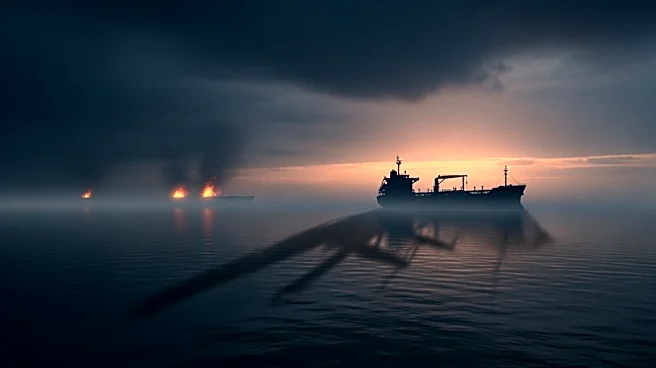
The military conflict involving the U.S., Israel, and Iran has significant implications for international relations and regional stability in the Middle East. The involvement of major powers like China and Russia underscores the geopolitical complexity of the situation. The conflict threatens to disrupt global oil supplies, particularly through the Strait of Hormuz, a critical passage for energy exports. The actions of the U.S. and Israel have drawn criticism for potentially undermining the international legal framework established post-World War II, raising concerns about the erosion of multilateral diplomacy. The situation also highlights the strategic interests of China and Russia in the region, as they seek to counterbalance U.S. influence and protect their economic and security interests.
What's Next?
China and Russia are likely to continue diplomatic efforts to de-escalate the conflict, potentially through the United Nations and other international forums. Both countries have expressed readiness to facilitate dialogue and negotiations to achieve a peaceful resolution. The ongoing military actions could prompt further international diplomatic interventions, with potential implications for U.S. foreign policy and its relations with Middle Eastern allies. The situation may also influence global energy markets, depending on the stability of oil exports from the region. The international community will be closely monitoring developments, particularly any moves by Iran in response to the military strikes.
Beyond the Headlines
The conflict raises broader questions about the future of international law and the role of major powers in enforcing or undermining it. The actions of the U.S. and Israel, as perceived by China and Russia, could set a precedent for future military interventions without U.N. approval. This situation also highlights the strategic rivalry between the U.S. and its adversaries, with potential long-term impacts on global power dynamics. Additionally, the conflict may influence domestic politics in the involved countries, as leaders navigate the complex interplay of military actions, international diplomacy, and public opinion.