








What's Happening?
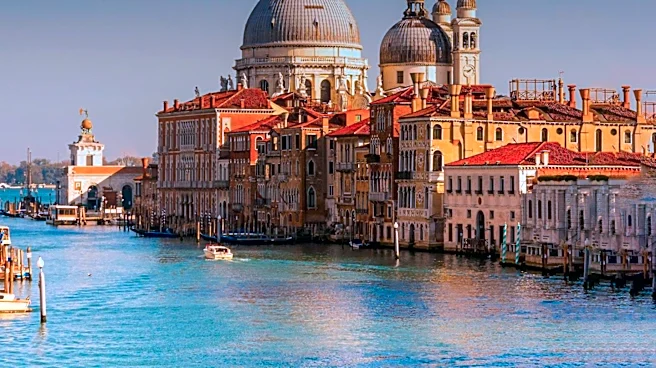
Several prominent global tourist destinations, including Venice, Barcelona, Amsterdam, Kyoto, and Bali, are actively experimenting with various strategies to manage overtourism. This phenomenon, defined as a decline in tourism quality due to over-exploitation,
has prompted these locations to move beyond simply counting visitor numbers and instead focus on the impact of tourism on residents, infrastructure, and the environment. Strategies being tested include visitor fees, restrictions on accommodation, tourist taxes, measures to disperse visitors, and controls on transportation. For instance, Venice has implemented an access fee system, Barcelona is targeting tourist accommodation by phasing out licenses for short-term rentals, and Amsterdam is using neighborhood-level controls. Kyoto is focusing on visitor dispersal and transport management, while Bali has introduced a levy for international tourists to fund environmental and cultural protection. These varied approaches reflect a shift towards better-managed tourism rather than outright reduction in visitor numbers, aiming to mitigate negative impacts while retaining economic benefits.
Why It's Important?
The implementation of these diverse overtourism strategies by major global destinations signifies a critical shift in the global tourism industry, with potential long-term implications for U.S. travelers and the American tourism sector. As these policies evolve, U.S. tourists planning international trips may face increased costs, more stringent planning requirements, and a need to adapt to new regulations such as advance registrations, access charges, and accommodation taxes. This trend could influence travel patterns, potentially encouraging U.S. travelers to explore less saturated destinations or consider off-peak travel. For the U.S. tourism industry, these developments could serve as a precedent for managing high-demand domestic destinations, prompting discussions on similar measures to address local concerns about infrastructure strain, environmental impact, and resident quality of life. The focus on sustainable and responsible tourism could also drive innovation in travel services and products within the U.S., emphasizing value over volume and promoting more thoughtful travel experiences.
What's Next?
The ongoing experiments in these global hotspots will likely continue to evolve, with destinations refining their strategies based on effectiveness and public feedback. Travelers can anticipate a future where international holidays require more advance planning, including checking specific entry requirements, potential access fees, and accommodation restrictions. The travel industry, including U.S.-based tour operators and airlines, will need to adapt by redesigning itineraries, clearly communicating local charges, and potentially facing increased scrutiny over passenger volumes, especially for cruise lines. There is a growing emphasis on cultural and regulatory changes, suggesting that future travel will be measured not just by the number of visitors but by how sustainably and intelligently they travel. The results from these diverse approaches will provide valuable insights for other destinations worldwide, including those in the U.S., that are grappling with similar challenges of balancing tourism growth with local well-being and environmental preservation.
Beyond the Headlines
Beyond the immediate regulatory and economic impacts, these overtourism strategies highlight a deeper societal shift towards prioritizing local communities and environmental sustainability in the face of globalized tourism. The debate moves beyond mere visitor numbers to encompass ethical considerations of residential displacement, cultural preservation, and the equitable distribution of tourism's benefits and burdens. The emphasis on 'better-managed tourism' rather than 'fewer tourists' suggests a recognition that tourism is a vital economic driver but must be integrated responsibly into the fabric of local life. This could lead to a re-evaluation of what constitutes a 'successful' tourist destination, shifting metrics from sheer visitor volume to indicators of resident satisfaction, environmental health, and cultural integrity. For the U.S., this global trend could foster a greater appreciation for community-based tourism initiatives and encourage policies that empower local residents in destination planning, ensuring that tourism contributes positively to their quality of life and preserves unique cultural and natural assets for future generations.