









What's Happening?
A team of researchers has published a perspective paper in The American Journal of Clinical Nutrition, advocating for a new approach to managing hypertension, a condition affecting over 1.28 billion adults globally. The paper suggests that increasing
potassium intake, alongside reducing sodium, could be more effective in controlling high blood pressure. Current dietary guidelines by the World Health Organization recommend consuming less than 2,000 milligrams of sodium and more than 3,500 milligrams of potassium daily. However, global sodium intake averages are significantly higher, while potassium intake is often below recommended levels. The researchers argue that sodium reduction alone has been challenging due to consumer preferences and technical difficulties in food reformulation. They highlight the potential of potassium-enriched salt substitutes and educational campaigns to promote potassium-rich foods as part of a broader strategy to manage hypertension.
Why It's Important?
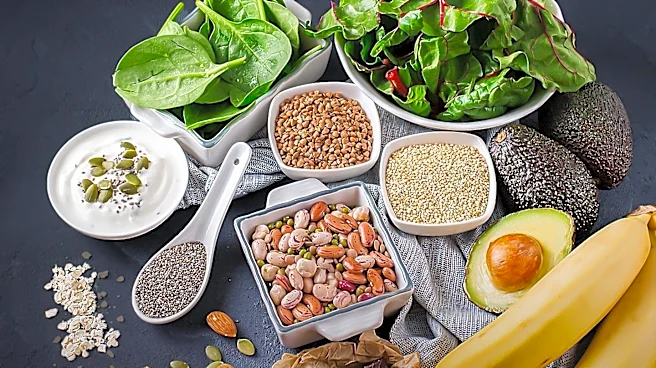
This proposed shift in dietary guidelines could have significant implications for public health, particularly in reducing the risk of cardiovascular diseases, which are closely linked to hypertension. By focusing on both sodium reduction and potassium increase, the strategy addresses the root causes of high blood pressure more comprehensively. This approach could lead to better health outcomes and reduce healthcare costs associated with treating hypertension-related conditions. The emphasis on potassium-rich foods also aligns with broader nutritional goals, promoting a diet rich in fruits and vegetables, which are beneficial for overall health. The potential for potassium-enriched salt substitutes offers a practical solution for food manufacturers and consumers, making it easier to adhere to dietary recommendations.
What's Next?
The researchers propose several strategies to implement this new approach, including reformulating food products to adjust sodium-to-potassium ratios and expanding educational campaigns to raise awareness about the benefits of potassium-rich diets. They also suggest policy measures to improve access to potassium-rich foods, particularly for lower-income households. While the concept of using potassium-enriched salt substitutes is promising, the researchers caution that these substitutes may not be suitable for individuals with advanced kidney disease or those on certain medications. Further research and policy development will be necessary to refine dietary guidelines and ensure they are both effective and accessible to diverse populations.