








What's Happening?
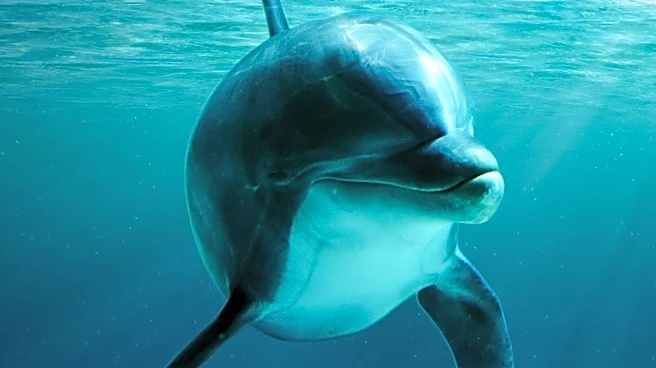
Rescue teams in Massachusetts successfully returned 19 stranded dolphins to the sea along the Cape Cod shoreline. This operation followed a previous rescue of 34 dolphins, highlighting the vulnerability of marine wildlife in coastal areas. The dolphins were
found stranded across a nine-mile stretch between Brewster and Wellfleet. The International Fund for Animal Welfare reported that the animals were in decent condition after being refloated. The coordinated efforts of trained responders underscore the importance of quick intervention in such situations to prevent dehydration and stress in marine mammals.
Why It's Important?
The successful rescue of the stranded dolphins emphasizes the critical role of rapid response in wildlife conservation. Marine mammals like dolphins are integral to coastal ecosystems, contributing to environmental stability and local tourism. The incident highlights the need for ongoing conservation efforts and community awareness to protect marine life. Understanding the causes of such strandings can help prevent future occurrences and ensure the health of marine populations. The collaboration between rescue teams and conservation groups demonstrates the effectiveness of coordinated efforts in wildlife protection.
What's Next?
Continued monitoring and research are essential to understand the causes of dolphin strandings and develop strategies to mitigate them. Conservation groups and local authorities are likely to enhance their preparedness for future incidents, ensuring that trained responders and necessary equipment are readily available. Public awareness campaigns may be initiated to educate communities on how to assist in such situations, emphasizing the importance of reporting stranded animals promptly and maintaining a safe distance to avoid causing additional stress.