







What's Happening?
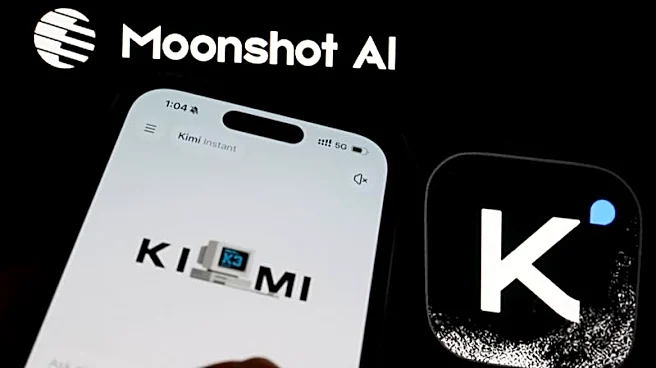
The U.S. and China are intensifying their competition in the global artificial intelligence race, with Chinese startups rapidly developing new AI models. Despite U.S. restrictions on semiconductor access, Chinese companies are advancing their AI capabilities,
leading to a perception among some Americans that China is ahead in AI development. A Pew Research survey indicates that a significant portion of Americans are skeptical of current U.S. AI policies. The debate over AI capabilities is becoming a central issue in U.S.-China relations, with implications for technology and economic policies.
Why It's Important?
The escalating AI race between the U.S. and China has significant implications for global technological leadership and economic power. As both countries strive to dominate AI development, the outcome could influence global standards and practices in AI technology. The perception of China's lead in AI could prompt the U.S. to reassess its policies and investments in AI research and development. This competition also raises concerns about national security, intellectual property, and the ethical use of AI technologies, necessitating careful consideration by policymakers.
Beyond the Headlines
The U.S.-China AI competition underscores broader geopolitical tensions and the strategic importance of technological supremacy. The race for AI dominance is not just about technological advancement but also about securing economic and military advantages. The development of open-source AI models and the debate over their security implications highlight the need for international cooperation and dialogue to address the challenges posed by AI technologies. As AI continues to evolve, the ethical and legal frameworks governing its use will become increasingly important in shaping the future of global technology.