


What's Happening?
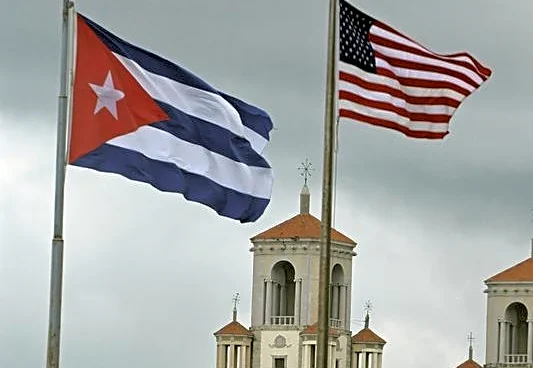
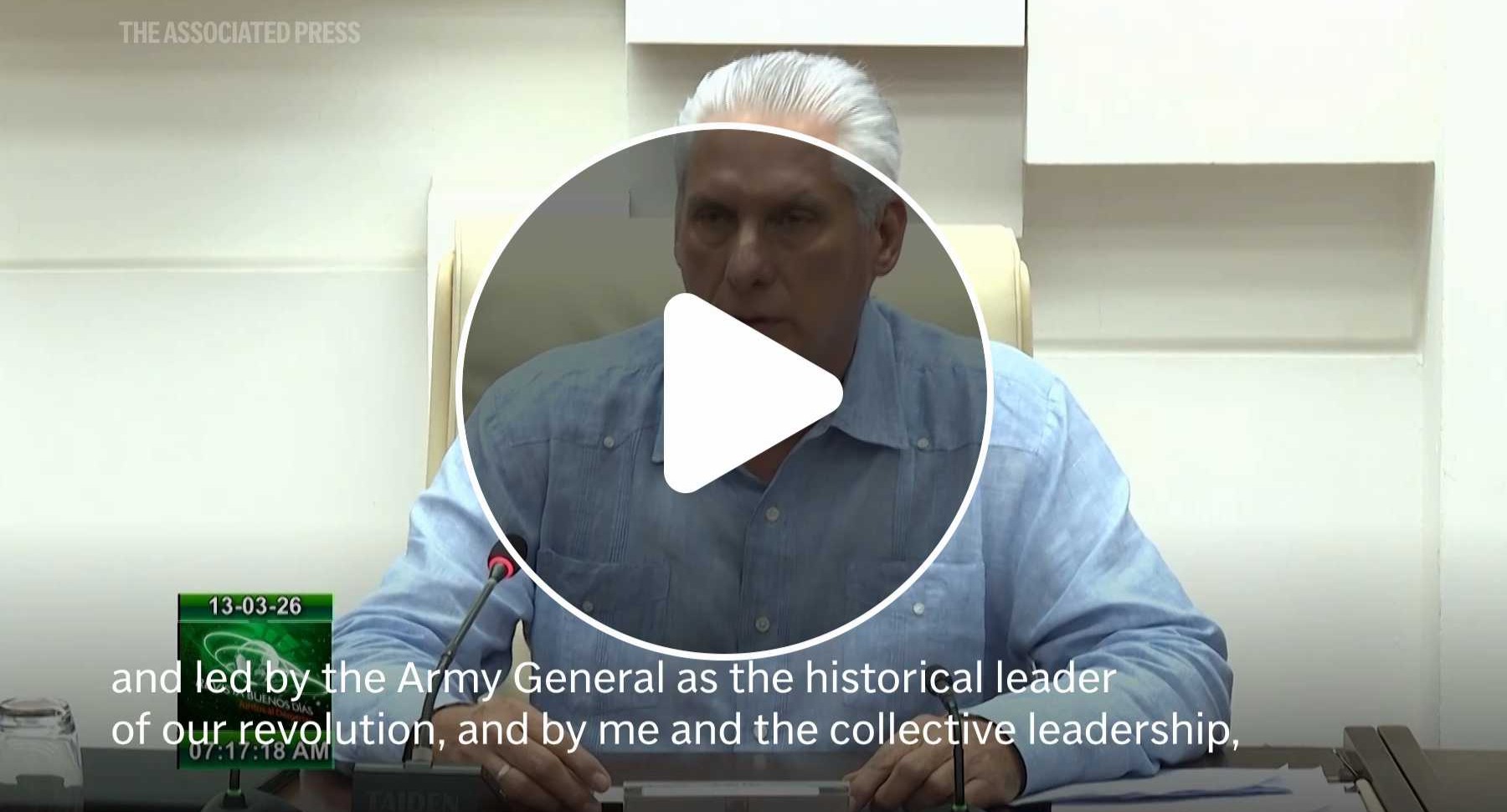
Cuban President Miguel Díaz-Canel has confirmed that Cuba is holding talks with the U.S. government, marking the first public acknowledgment of such discussions. These talks aim to address bilateral differences and are facilitated by international factors,
though specifics were not disclosed. The discussions come as Cuba faces a severe energy crisis, attributed to a U.S. energy blockade that has halted petroleum shipments for three months. This has led to widespread power outages, affecting essential services such as communications, education, and healthcare. The Cuban government has implemented fuel-saving measures, including converting bakeries to run on firewood or coal. The talks are intended to explore solutions to these pressing issues and identify areas for cooperation between the two nations.
Why It's Important?
The confirmation of talks between Cuba and the U.S. is significant as it could lead to improved relations and potentially alleviate Cuba's energy crisis. The U.S. blockade has severely impacted Cuba's economy, leading to shortages and disruptions in daily life. A successful dialogue could result in economic relief for Cuba and open new avenues for cooperation. For the U.S., engaging with Cuba could enhance regional stability and provide strategic advantages. However, the outcome of these talks is uncertain, as both countries must navigate complex political dynamics. The situation highlights the broader geopolitical tensions in the region and the potential for diplomatic resolutions.
What's Next?
As talks continue, both nations will likely seek to establish concrete actions that address their respective concerns. The U.S. may use its leverage to push for policy changes in Cuba, while Cuba aims to secure energy resources and economic stability. The international community will be closely monitoring these developments, as they could have far-reaching implications for regional politics and economics. The potential for an economic deal or policy shifts could significantly impact U.S.-Cuba relations and influence broader geopolitical dynamics in the Caribbean.