


What's Happening?
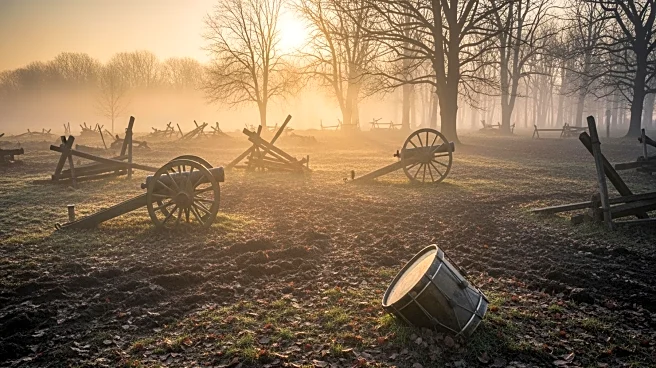
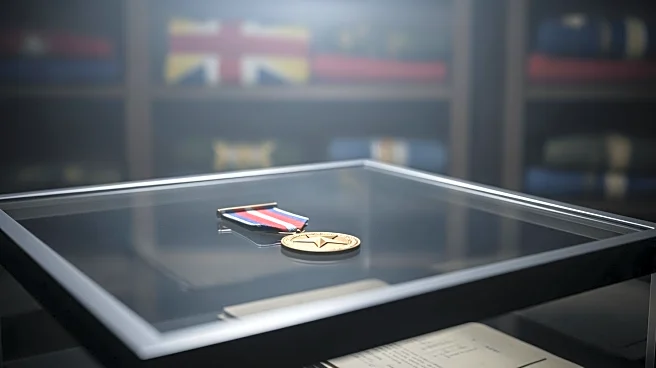
The U.S. Military has a history of revoking Medals of Honor, the nation's highest military decoration, due to various reasons including clerical errors and non-combat awards. A significant case involved the 27th Maine Volunteer Infantry Regiment, which
received medals en masse due to a clerical error during the Civil War. The Board of Generals in 1916 reviewed and revoked 910 medals, aligning the award with acts of gallantry in combat. Dr. Mary Walker, the first female surgeon in the Army, had her medal revoked due to gender bias but was posthumously reinstated in 1977. The revocation process highlights the evolving standards and controversies surrounding the Medal of Honor.
Why It's Important?
The revocation of Medals of Honor underscores the importance of maintaining the integrity and prestige of military awards. It reflects the military's commitment to ensuring that such honors are reserved for acts of true heroism and gallantry in combat. This process also highlights historical biases, such as gender discrimination, and the need for rectification. The revocation and reinstatement of medals can impact the morale of service members and the public's perception of military honors. It also serves as a reminder of the evolving criteria for military recognition and the importance of accurate historical records.