



What's Happening?
Researchers at Case Western Reserve University have discovered a significant link between gut bacteria and the progression of neurodegenerative diseases such as Amyotrophic Lateral Sclerosis (ALS) and Frontotemporal Dementia (FTD). The study, published
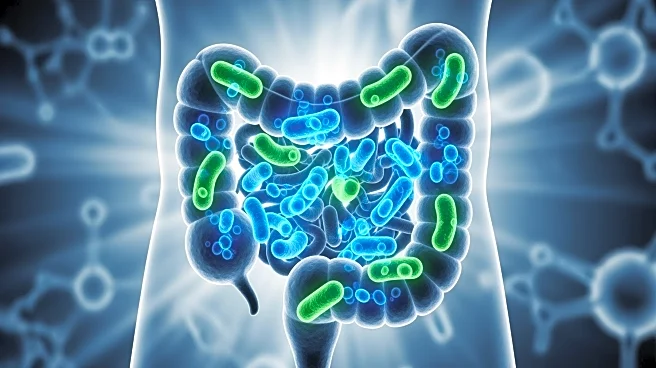
in Cell Reports, identifies bacterial sugars that trigger immune responses leading to brain damage. This research highlights the role of the gut-brain axis, where harmful gut bacteria produce inflammatory glycogen forms that contribute to neurodegeneration. The study examined 23 patients with ALS/FTD, finding that 70% had dangerous glycogen levels, compared to only one-third of those without these diseases. The findings suggest potential therapeutic interventions targeting the gut microbiome to treat or slow the progression of these conditions.
Why It's Important?
This discovery is crucial as it opens new avenues for treating ALS and FTD by targeting the gut microbiome. The identification of bacterial sugars as a trigger for immune responses that damage the brain provides a potential biomarker for early diagnosis and treatment. This could lead to the development of drugs that break down harmful sugars in the gut, potentially improving patient outcomes. The study is particularly significant for individuals with the C90RF72 mutation, the most common genetic cause of ALS and FTD, as it identifies gut bacteria as a key environmental trigger. This research could lead to personalized treatment strategies and improve the quality of life for patients.
What's Next?
The research team plans to conduct larger studies to survey gut microbiome communities in ALS/FTD patients before and after disease onset. These studies aim to understand the timing and reasons for harmful microbial glycogen production. Clinical trials are anticipated to explore whether degrading glycogen in ALS/FTD patients can slow disease progression. These trials could begin within a year, potentially leading to new treatment protocols that focus on the gut-brain connection.
Beyond the Headlines
The study underscores the complex interaction between the gut microbiome and brain health, highlighting the importance of understanding microbial influences on neurological diseases. This research could shift the focus of neurodegenerative disease treatment from solely targeting the brain to considering the gut as a critical factor. It also raises ethical considerations regarding the manipulation of gut bacteria and the long-term effects of such interventions on overall health.