





What's Happening?
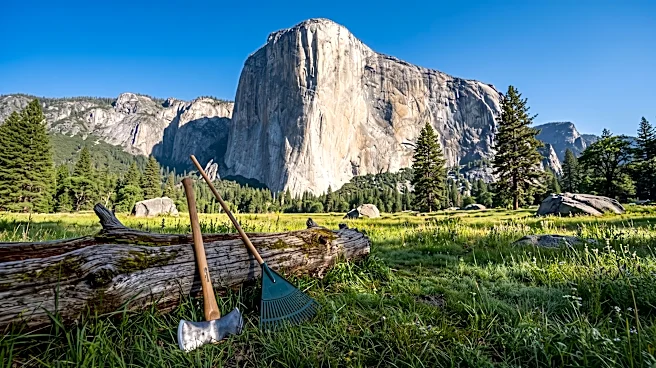
The Yosemite Ancestral Stewards (YAS) Crew, a program designed to engage Native youth from Yosemite National Park's Traditionally Associated Tribes, gathered in El Capitan Meadow with NPS Cultural Ecologist Irene Vasquez. The program's primary goal is to provide
Native youth, aged 16 to 30, with opportunities to work within their ancestral homelands. YAS crewmembers undertake diverse projects across the park, ranging from trail maintenance and black oak stewardship to wetlands restoration and cultural building repair. Many of these projects hold particular cultural significance, often involving species or locations important to the Tribes, or are proposed by Tribal Elders. The program also focuses on professional development, offering training in skills such as chainsaw handling and wilderness first aid, alongside resume workshops and guidance on navigating federal job sites. This comprehensive approach aims to equip crewmembers with the experience and knowledge necessary to enter the federal workforce, fostering connections within and outside the crew while stewarding their ancestral lands.
Why It's Important?
The Yosemite Ancestral Stewards Crew program is significant for its dual impact on cultural preservation and workforce development within Native communities. By providing Native youth with direct engagement in the stewardship of their ancestral lands, the program reinforces cultural ties and traditional ecological knowledge, which are vital for the long-term health of Yosemite National Park. This initiative addresses historical disconnections between Indigenous communities and their traditional territories, offering a pathway for healing and empowerment. Furthermore, the professional development component, including practical skills training and career guidance, creates tangible opportunities for economic advancement and self-sufficiency for Native youth. This model can serve as a blueprint for other national parks and protected areas seeking to foster more inclusive and culturally sensitive conservation efforts, ensuring that the voices and expertise of Indigenous peoples are central to land management decisions. The program's success demonstrates the value of integrating cultural heritage with environmental conservation.
What's Next?
The Yosemite Ancestral Stewards Crew will continue its work on various projects throughout Yosemite National Park, including restoring black oak groves, building burn piles, removing encroaching conifers, revegetating wetlands, and collecting seeds of native plants. The crew will also persist in maintaining and repairing cultural structures, such as the traditional roundhouse. The program will continue to offer workshops and training sessions covering a range of topics from chainsaw operation to wilderness first aid and resume development, preparing participants for federal employment. The ongoing efforts of the YAS Crew are expected to contribute to the ecological health and cultural integrity of Yosemite, while simultaneously building a skilled workforce from the park's Traditionally Associated Tribes. Future initiatives will likely focus on expanding the program's reach and impact, potentially involving more youth and broadening the scope of stewardship projects, further strengthening the connection between Native communities and their ancestral lands.
Beyond the Headlines
The Yosemite Ancestral Stewards Crew program represents a profound shift in how national parks engage with Indigenous communities, moving beyond mere consultation to active partnership and empowerment. This initiative challenges conventional conservation paradigms by recognizing Indigenous peoples not just as stakeholders, but as essential stewards with deep historical and ecological knowledge. The program's emphasis on ancestral homelands and culturally significant projects highlights the ethical imperative of decolonizing land management practices and acknowledging the enduring sovereignty of Native nations. By fostering a new generation of Indigenous land managers, the YAS Crew is not only preserving natural resources but also revitalizing cultural identities and promoting intergenerational knowledge transfer. This model has the potential to inspire broader policy changes in federal land management, advocating for greater Indigenous involvement and leadership in conservation efforts across the United States, ultimately leading to more holistic and equitable approaches to environmental stewardship.