

What's Happening?
The U.S. economy experienced a significant downturn in February, shedding 92,000 jobs, as reported by the Bureau of Labor Statistics. This unexpected decline in employment was influenced by a major labor strike and severe winter weather conditions. The unemployment
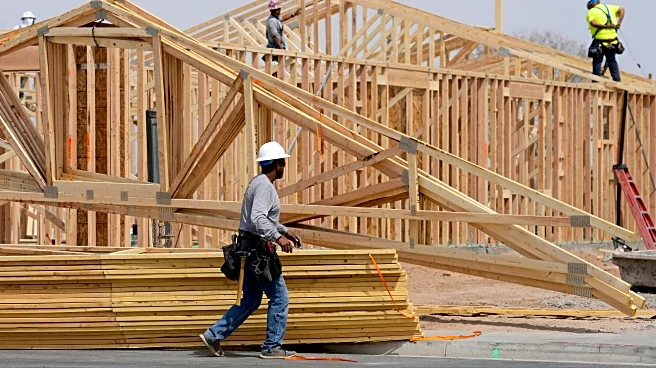
rate rose slightly to 4.4% from 4.3%. Economists had anticipated a modest gain of 50,000 jobs, but the actual figures fell short of expectations. The health care sector, a primary driver of job growth, saw a reduction of 28,000 jobs due to a strike at Kaiser Permanente, which involved over 30,000 workers. Additionally, the construction and leisure sectors were adversely affected by the cold weather. The report also included downward revisions for December and January, indicating a weaker labor market than previously thought.
Why It's Important?
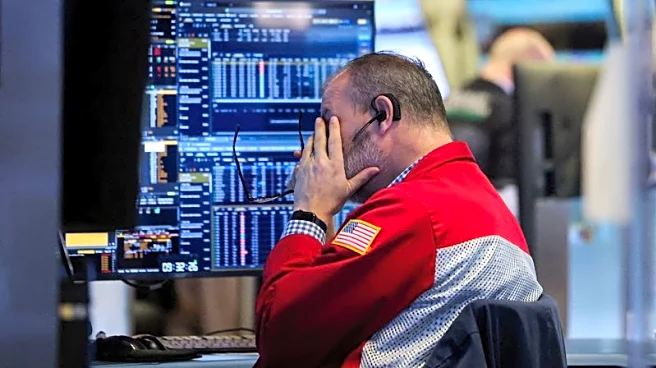
The February jobs report highlights vulnerabilities in the U.S. labor market, raising concerns about economic stability. The unexpected job losses and rising unemployment rate could signal broader economic challenges, including potential impacts on consumer confidence and spending. The health care sector's job losses, primarily due to strike activity, underscore the sector's critical role in employment figures. The report's findings may influence Federal Reserve policy, as the central bank monitors labor market conditions closely. The data also reflects ongoing uncertainties in the economy, exacerbated by geopolitical tensions and policy shifts, which could affect future hiring and economic growth.
What's Next?
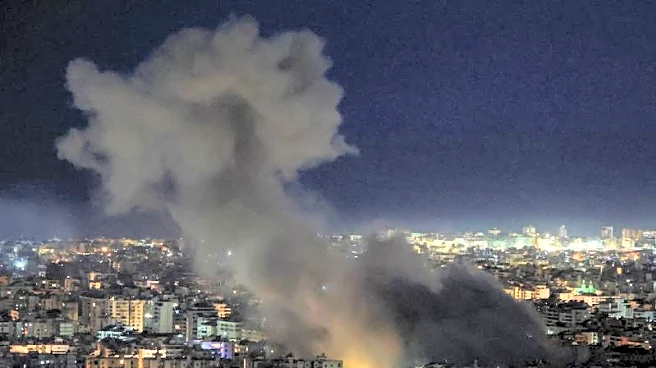
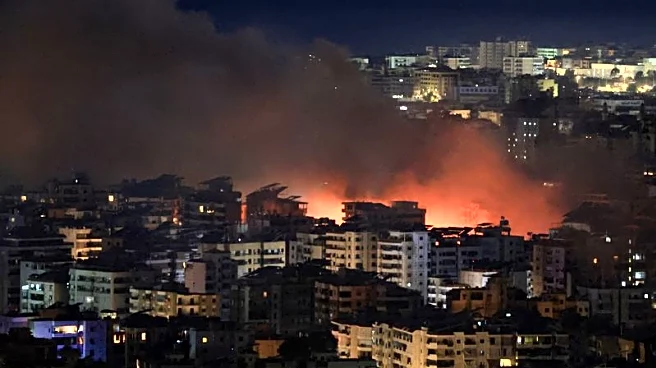
Looking ahead, the resolution of the Kaiser Permanente strike is expected to result in a rebound in health care employment in the March jobs report. However, the broader economic outlook remains uncertain, with potential implications for monetary policy. The Federal Reserve may adopt a cautious approach, considering the mixed signals from the labor market and other economic indicators. Stakeholders will be closely watching upcoming jobs reports for signs of stabilization or further deterioration. Additionally, geopolitical developments, such as the situation in the Middle East, could influence economic conditions and policy decisions.