





What's Happening?
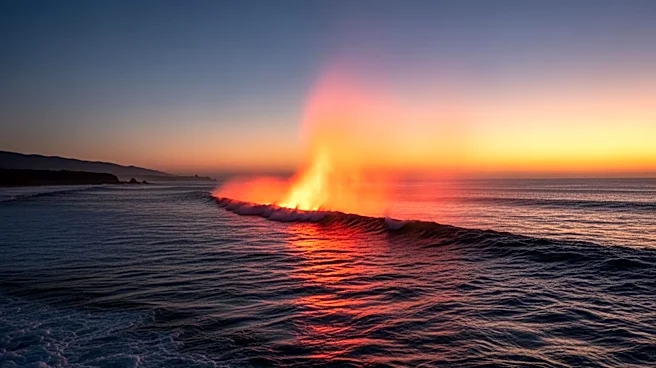
California is experiencing unusually warm ocean temperatures, which are not linked to the El Niño phenomenon but are instead being described as a 'marine heat wave.' This event is reminiscent of the 'Blob' that occurred in 2015. The warm waters have been
observed extending from Washington to Puerto Vallarta and westward past Hawaii. These temperatures are significantly higher than normal for this time of year, with some areas recording temperatures over 10 degrees Fahrenheit above average. The phenomenon is attributed to calm conditions in March and the northward movement of warmer waters across the North Pacific.
Why It's Important?
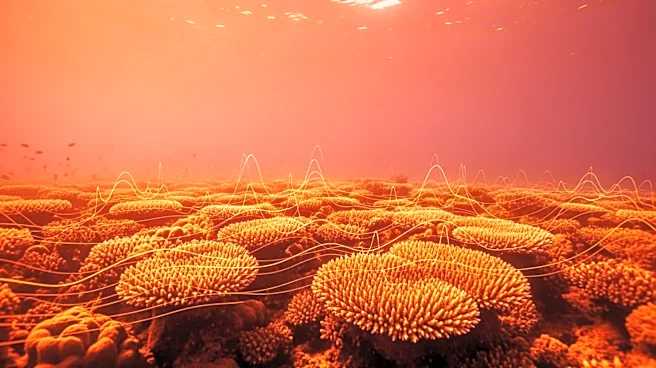
The marine heat wave could have significant ecological impacts, affecting marine life and ecosystems along the California coast. Warmer ocean temperatures can lead to the disruption of marine habitats, potentially affecting fish populations and other marine species. This could have economic implications for the fishing industry and local communities that rely on marine resources. Additionally, the unusual temperature patterns may influence weather conditions, potentially leading to more extreme weather events. Understanding and monitoring these changes are crucial for developing strategies to mitigate their impacts.
What's Next?
Scientists and climatologists will continue to monitor the situation closely to determine the potential long-term effects of the marine heat wave. There is also a need for further research to understand the underlying causes and to predict future occurrences. Stakeholders, including environmental agencies and the fishing industry, may need to adapt their practices to cope with the changing ocean conditions. Public awareness campaigns could be initiated to inform communities about the potential impacts and necessary precautions.