


What's Happening?
President Trump's proposals for a permanent fence around Lafayette Park and an underground security screening center for White House visitors are currently under review by the National Capital Planning Commission. While no votes are expected at this initial
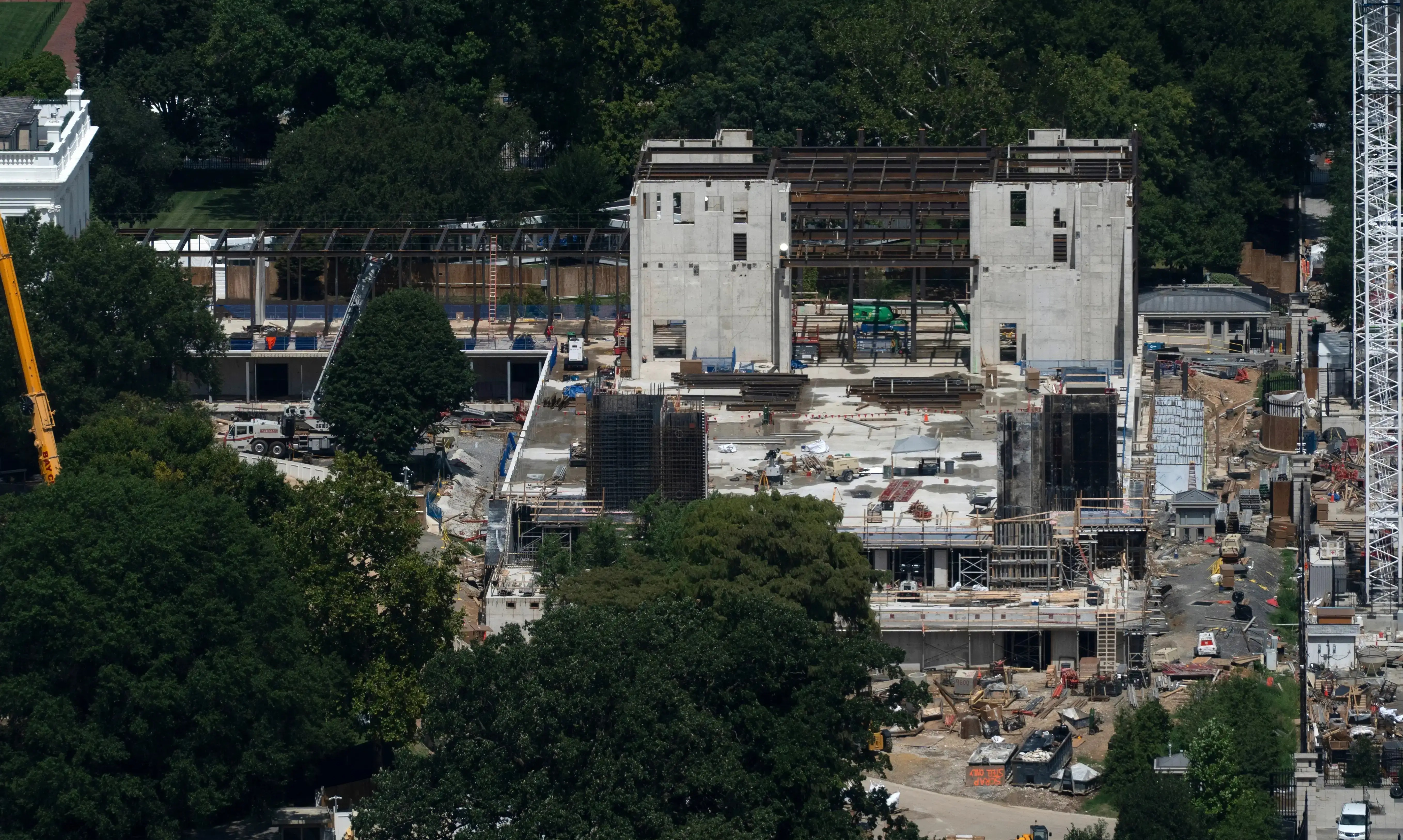
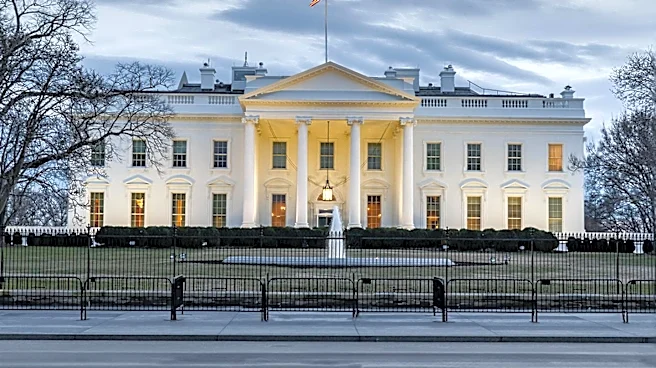
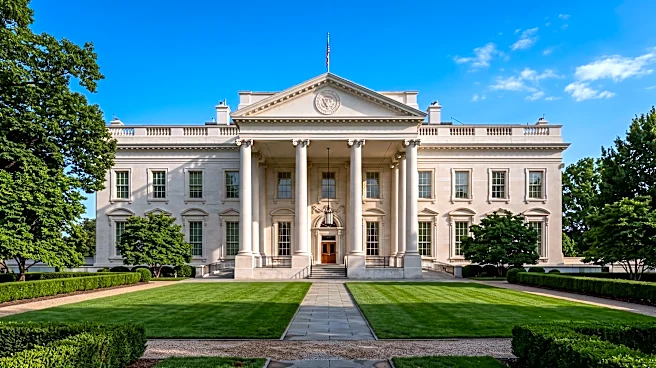
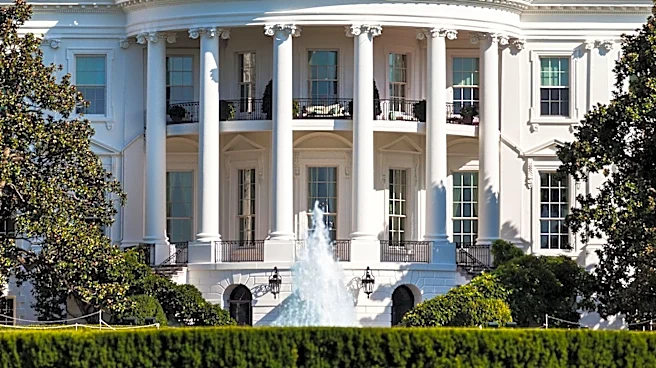
discussion, the commission has previously approved other significant projects from the President. The proposed fence for Lafayette Park, an 8-acre area in front of the White House, would be a permanent structure with larger gates at its north and south entrances, a notable change from the temporary barriers currently in use. The White House Visitor Screening Facility aims to replace existing temporary tents with a permanent underground structure, intended to enhance security and improve the visitor experience. Both proposals are presented as improvements over temporary security measures, addressing heightened security concerns following multiple assassination attempts on President Trump and a recent incident near a White House security checkpoint.
Why It's Important?
These proposals represent a significant alteration to the public accessibility and appearance of a historically significant area in Washington D.C. Lafayette Park, often a site for protests and public gatherings, would see a permanent change to its open character, potentially impacting freedom of assembly and public access to a national landmark. The implementation of a permanent fence could be seen as a symbol of increased securitization around the White House, reflecting a broader trend in national security measures. For the White House, these projects are deemed crucial for enhancing presidential security and streamlining visitor access, replacing less efficient temporary structures. The review process by federal panels, including the National Capital Planning Commission and the U.S. Commission of Fine Arts, highlights the complex interplay between security needs, historical preservation, and public space management in the nation's capital.
What's Next?
The National Capital Planning Commission will continue its review of the proposals, with potential for further discussions and eventual votes. The Lafayette Square fencing proposal is expected to generate more controversy and opposition compared to the visitor screening center. Stakeholders, including civil liberties groups, historical preservation societies, and local residents, may voice concerns regarding public access and the aesthetic impact of a permanent fence. The U.S. Commission of Fine Arts, which has a majority of President Trump appointees, has already approved the visitor center plans and heard a presentation on the fencing. The administration aims to have the permanent visitor facility operational by July 2028. The outcome of these reviews will determine the future landscape of the White House complex and its surrounding public spaces.
Beyond the Headlines
The proposed changes to Lafayette Park and White House security delve into fundamental questions about the balance between national security and public access in a democratic society. The historical significance of Lafayette Park as a site for public expression and protest adds a layer of complexity to the discussion of permanent barriers. This move could set a precedent for how public spaces adjacent to critical government institutions are managed in the face of evolving security threats. It also reflects a broader shift in the physical manifestation of presidential security, moving from more open access to more fortified perimeters. The debate over these projects touches on the symbolic meaning of public spaces in a capital city and the extent to which security concerns should reshape the urban environment and civic life. The long-term implications could include a redefinition of public interaction with government symbols and institutions.