


What's Happening?
Rep. Richard Hudson is seeking detailed information from state and federal officials regarding Enbridge Gas North Carolina’s proposed Chatham County System Expansion Project, a natural gas pipeline. Hudson has sent letters to North Carolina Governor Josh
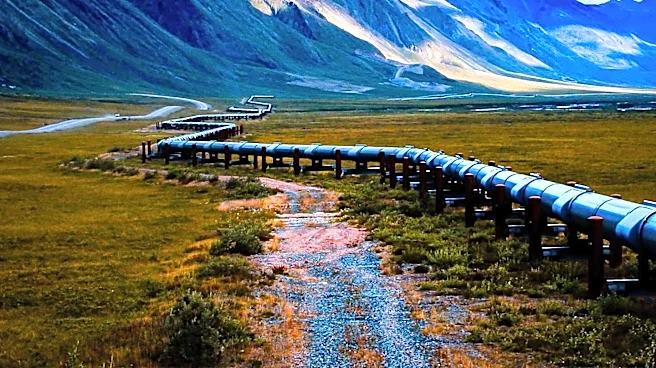
Stein, NCDEQ Secretary Reid Wilson, and the U.S. Army Corps of Engineers, requesting clarity on various aspects of the project. His inquiries focus on the permitting process, the roles of different agencies involved, the scope of the environmental review, and mechanisms for public input. The proposed project involves an approximately 28-mile, 12-inch natural gas pipeline extending from the Siler City area towards Moncure, which would cross the Haw River. The project is currently in its design and survey phase, and a final route has not yet been determined. Local residents have expressed concerns about potential impacts on property, farms, waterways, and the rural character of the area.
Why It's Important?
This inquiry by Rep. Hudson is significant as it addresses concerns about environmental impact, property rights, and community involvement in large-scale infrastructure projects. The proposed natural gas pipeline could have substantial effects on the local ecosystem, particularly the Haw River, and alter the landscape and character of rural Chatham County. Ensuring transparency in the permitting process and robust environmental review is crucial for mitigating potential negative consequences. Furthermore, the emphasis on public input highlights the importance of community voices in decisions that directly affect their lives and livelihoods. The project's progression without adequate answers could lead to increased public opposition, legal challenges, and long-term environmental damage, impacting both the local economy and the quality of life for residents. This situation underscores the delicate balance between energy infrastructure development and environmental protection.
What's Next?
Rep. Hudson's letters to state and federal officials are expected to prompt responses detailing the project's review process, environmental assessments, and plans for public engagement. The outcome of these inquiries will likely influence the future trajectory of the Chatham County System Expansion Project. Depending on the answers received, there could be further calls for public hearings, additional environmental studies, or modifications to the proposed pipeline route. Stakeholders, including local residents, environmental groups, and Enbridge Gas North Carolina, will be closely watching the responses and subsequent actions. The project's status, currently in the design and survey phase, suggests that there is still an opportunity for adjustments based on the concerns raised and the information provided by the authorities.
Beyond the Headlines
The controversy surrounding the Chatham County pipeline project reflects a broader national debate over energy infrastructure development, environmental conservation, and local community autonomy. As the U.S. navigates its energy future, balancing the demand for natural gas with environmental protection and community concerns becomes increasingly complex. This case highlights the tension between economic development, often driven by energy needs, and the preservation of natural resources and rural lifestyles. The involvement of a U.S. Representative underscores the political dimension of such projects, where local issues can quickly escalate to state and federal levels. The outcome in Chatham County could influence how similar pipeline projects are planned, reviewed, and implemented across the country, potentially leading to more stringent environmental regulations and enhanced public participation requirements for future infrastructure developments.