



What's Happening?
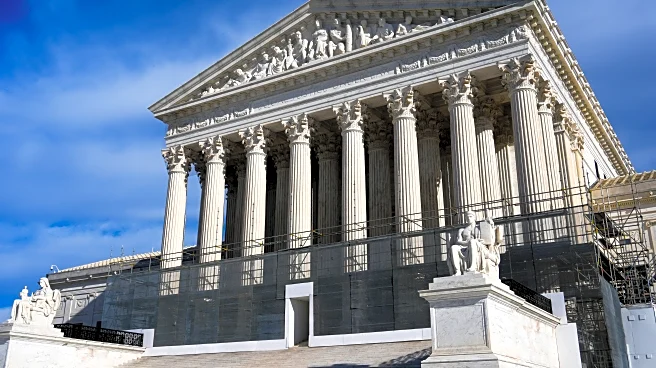
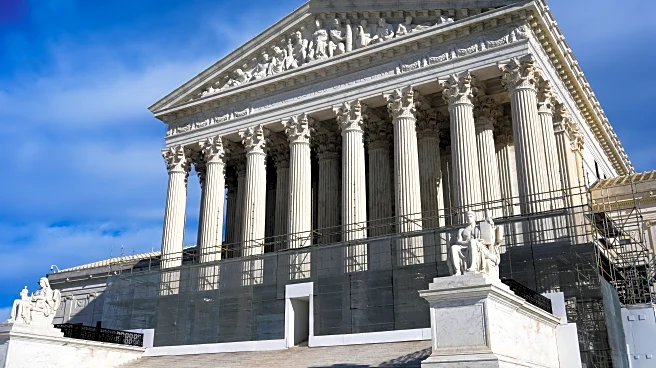
Chief Justice John Roberts of the U.S. Supreme Court has declared President Trump's tariffs unlawful, marking a significant judicial decision against the administration's economic policies. The ruling, delivered in a composed manner by Roberts, emphasized
the constitutional limits of presidential power, particularly regarding the imposition of tariffs, which is a congressional prerogative. The decision comes after the administration's request for expedited consideration, citing potential economic impacts. The ruling affects American businesses, consumers, and global markets, which had been awaiting clarity on the issue.
Why It's Important?
This ruling represents a critical check on presidential authority, reinforcing the separation of powers as outlined in the U.S. Constitution. By striking down the tariffs, the Supreme Court has underscored the role of Congress in economic matters, potentially influencing future executive actions. The decision could have significant economic implications, as it prevents the collection of up to $1 trillion in tariffs, affecting trade relations and market stability. It also highlights the judiciary's role in balancing executive power, particularly in cases with substantial economic and international ramifications.
What's Next?
Following the ruling, the administration may explore alternative strategies to achieve its economic objectives, potentially seeking legislative support for tariff-related measures. The decision could prompt discussions within Congress about trade policy and the appropriate scope of executive power. Businesses and trade partners will likely adjust their strategies in response to the ruling, seeking stability in trade relations. The case also sets a precedent for future legal challenges to executive actions, particularly those involving economic and foreign policy.