





What's Happening?
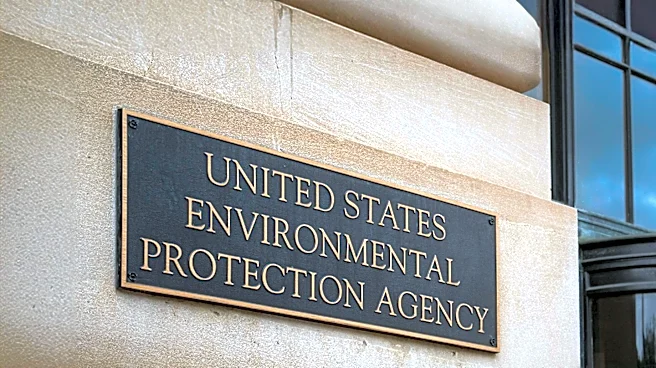
U.S. Environmental Protection Agency (EPA) Administrator Lee Zeldin recently completed a four-day tour across Midwestern and Southeastern Florida. During his visit, Administrator Zeldin engaged with a diverse group of stakeholders, including ranchers,
manufacturers, storm recovery professionals, and scientists. The primary focus of the trip was to highlight the critical importance of protecting water infrastructure and resources. Discussions centered on safeguarding these resources against natural disasters, erosion, the impact of outdated pesticides, and inadequate wastewater treatment procedures. Key stops included Duke Energy’s Storm Recovery Command Center to discuss coordination in post-hurricane recovery, M&B Bottling and Processing Facility to observe connections between farming and wastewater management, and Soilcea Citrus Field to learn about precision-bred citrus rootstock technology approved by the Trump EPA. Administrator Zeldin also visited Doc Partin Ranch to discuss private landowner roles in Everglades restoration and met with Sox Erosion Solutions to review erosion-control technology. The tour concluded at FPL West County Energy Center, where emissions-control technology was showcased, reinforcing the Trump EPA's commitment to American energy and scientific solutions for environmental challenges.
Why It's Important?
Administrator Zeldin's tour underscores the Trump EPA's strategic priorities, particularly its emphasis on practical, science-based solutions for environmental issues and the protection of critical infrastructure. By engaging directly with local industries and communities, the EPA aims to foster collaborative approaches to environmental management. The focus on water infrastructure is vital for Florida, a state highly susceptible to natural disasters and reliant on its water resources for agriculture, tourism, and public health. The promotion of technologies like Soilcea's citrus rootstock demonstrates a commitment to supporting agricultural innovation and addressing specific industry challenges, such as citrus greening. Furthermore, discussions on energy production and emissions control highlight the administration's dual goal of promoting American energy independence while addressing environmental concerns. This approach seeks to balance economic growth with environmental stewardship, potentially influencing future regulatory frameworks and funding allocations for environmental projects in the state and nationally.
What's Next?
The insights gathered during Administrator Zeldin's Florida tour are likely to inform future EPA policies and initiatives, particularly concerning water infrastructure resilience, agricultural environmental practices, and energy sector regulations. The EPA's continued emphasis on 'gold-standard science' suggests ongoing support for technological innovations that offer practical environmental solutions. Stakeholders in Florida, including agricultural producers, energy companies, and local governments, can anticipate continued engagement with the EPA on these issues. The agency may also use the findings from this trip to advocate for specific federal funding or regulatory adjustments that support the protection of water resources and promote sustainable economic development. The administration's focus on 'unleashing American energy' indicates that future policies will likely continue to seek ways to expand domestic energy production while incorporating environmental safeguards, potentially leading to new guidelines for energy facilities and emissions control technologies.
Beyond the Headlines
The EPA Administrator's visit to Florida reflects a broader philosophical approach within the Trump administration towards environmental regulation, often characterized by a focus on 'cooperative federalism' and market-based solutions. This approach seeks to empower local and state entities, as well as private industry, to develop and implement environmental strategies, rather than relying solely on federal mandates. The emphasis on private landowners and agricultural producers in Everglades restoration, for instance, highlights a belief in leveraging private sector involvement for public environmental good. This strategy could lead to a shift in how environmental challenges are addressed, potentially fostering more localized and industry-specific solutions. However, it also raises questions about the balance between federal oversight and local autonomy in environmental protection, and the potential for varying standards across different regions. The long-term implications could include a more decentralized environmental policy landscape, with increased reliance on technological innovation and private-public partnerships to achieve environmental goals.