








What's Happening?
San Francisco continues to grapple with a housing affordability crisis, exacerbated by multiple policy failures. These include federal affordable housing defunding since the 1980s, exclusionary zoning, and a cumbersome permitting process. Recent debates
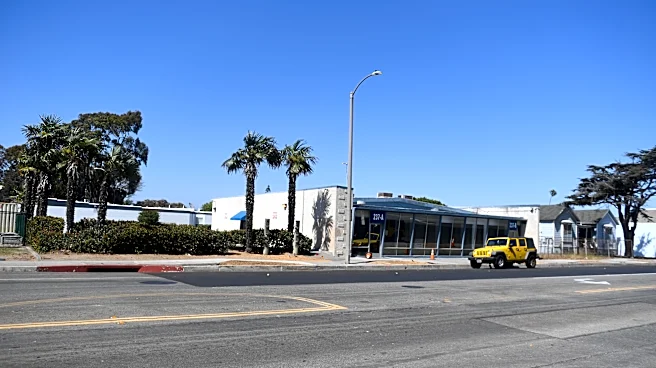
have focused on a controversial housing development at the Marina Safeway site, which has faced opposition from local residents. The city's complex regulatory environment and high construction costs further complicate efforts to increase housing supply. Despite state laws limiting resident complaints' impact on developments, the crisis persists, driven by high land and capital costs.
Why It's Important?
The housing affordability crisis in San Francisco has significant implications for the city's economic and social fabric. High housing costs drive out middle and lower-income residents, leading to increased economic inequality and a loss of community diversity. The crisis also affects local businesses, which struggle to attract and retain employees due to the high cost of living. Addressing these issues requires comprehensive policy reforms and innovative solutions to increase housing supply and affordability. The situation in San Francisco serves as a cautionary tale for other cities facing similar challenges.
What's Next?
San Francisco's policymakers and stakeholders will need to continue exploring solutions to the housing crisis. This may involve revisiting zoning laws, streamlining the permitting process, and increasing investments in affordable housing. The city may also need to address broader economic factors, such as income inequality and the impact of tech industry growth on housing demand. Community engagement and collaboration between public and private sectors will be crucial in developing effective strategies. The outcome of the Marina Safeway development and similar projects will likely influence future housing policies.