



What's Happening?
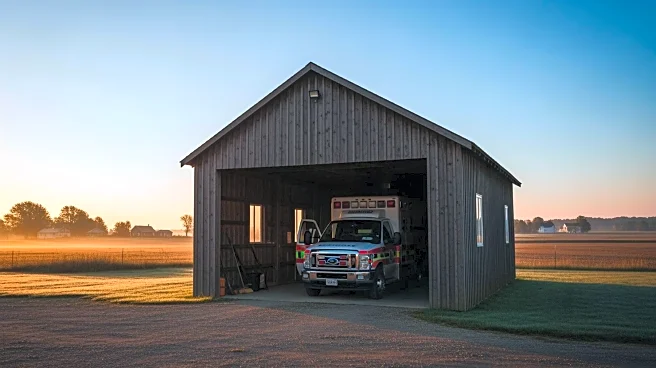
Emergency medical services (EMS) in rural Michigan are struggling with significant financial and staffing challenges, leading to what are described as 'ambulance deserts.' These areas, particularly in the Upper Peninsula and other rural parts of the state,
suffer from prolonged transport times and staff shortages. According to UP Health System CEO Tonya Darner, the system is 'overextended,' with more than 500 vacancies for paramedics and emergency medical technicians (EMTs) statewide. Despite efforts to improve staffing through state-funded scholarships and training stipends, the financial support is dwindling. The Michigan Association of Ambulance Services has criticized state lawmakers and Governor Gretchen Whitmer for not adequately addressing the funding issues in the state budget. The lack of sufficient insurance reimbursements and the high 'cost of readiness' for ambulances exacerbate the problem, as rural EMS systems struggle to maintain operations with limited call volumes and financial resources.
Why It's Important?
The challenges faced by rural EMS providers in Michigan highlight broader issues within the U.S. healthcare system, particularly in underserved areas. The shortage of EMS personnel and inadequate funding can lead to delayed emergency response times, potentially endangering lives. The financial strain on EMS agencies is compounded by insufficient insurance reimbursements, which do not cover the full cost of services. This situation underscores the need for policy changes to ensure sustainable funding for emergency services, especially in rural areas where healthcare access is already limited. The potential reduction in Medicaid funding and the rise in uninsured individuals could further strain these services, impacting the overall health and safety of rural communities.
What's Next?
To address these challenges, there is a push for legislative action to improve insurance reimbursements and explore alternative care models like 'community paramedicine,' where ambulances make regular, non-emergency visits to patients' homes. This approach could help alleviate some of the financial pressures on EMS providers. Additionally, local municipalities are being asked to increase their financial contributions to support EMS services. However, this proposal faces resistance due to the potential for increased taxes. The ongoing discussions and potential policy changes will be crucial in determining the future sustainability of EMS services in rural Michigan.