








What's Happening?
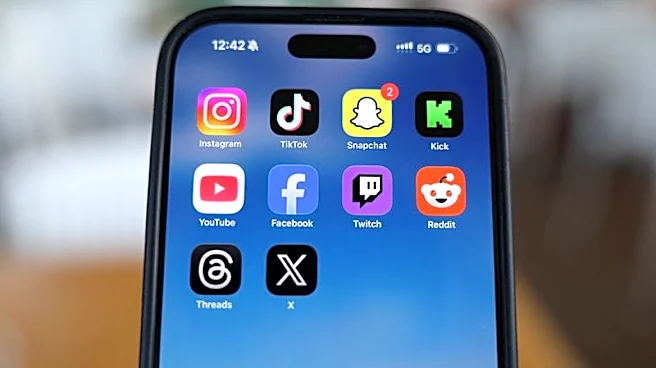
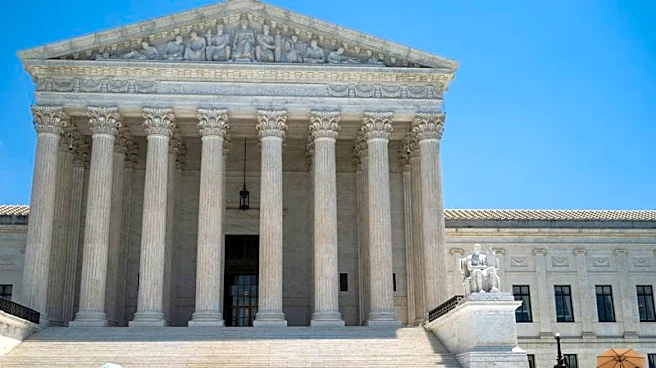
The U.S. Supreme Court has permitted Texas to enforce a law requiring mobile app stores to verify the age of users and obtain parental consent for minors attempting to install apps. This decision comes despite opposition from the computer industry and student
groups, who argue that the law infringes on First Amendment rights. The law, enacted in response to concerns about online safety for minors, mandates that app stores ensure users are of age and that minors have parental approval before downloading apps. The Supreme Court's decision allows the law to be enforced while ongoing litigation continues in lower courts. The ruling follows a similar case where the court allowed Mississippi to enforce a law requiring age verification for social media users.
Why It's Important?
The enforcement of this law could have significant implications for digital privacy and free speech, particularly for minors. It highlights the ongoing debate over the balance between protecting children online and preserving their rights to access information. The decision may set a precedent for other states considering similar regulations, potentially leading to a patchwork of laws across the country. This could impact tech companies, which may need to implement varying compliance measures depending on the state. The ruling also underscores the Supreme Court's current stance on digital rights and the extent to which states can regulate online content.
What's Next?
As the law is enforced, tech companies and advocacy groups are likely to continue challenging it in court. The ongoing litigation will determine whether the law is ultimately deemed constitutional. Other states may watch the outcome closely, potentially influencing their own legislative efforts regarding online safety for minors. The decision could also prompt further discussions on federal regulations to create a more uniform approach to digital privacy and age verification across the U.S.