




What's Happening?
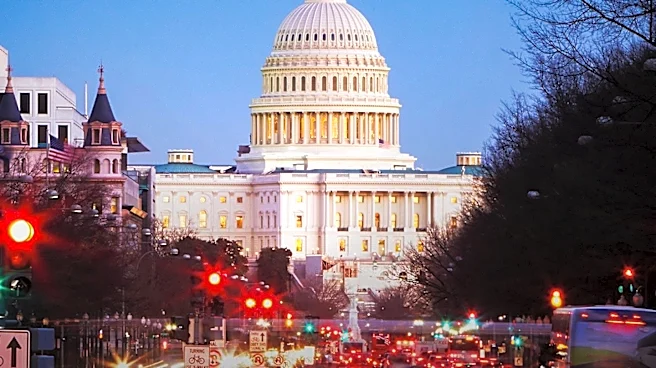
Washington, D.C. is experiencing a rise in traffic congestion and vehicle-related carbon dioxide emissions, largely due to a post-pandemic decrease in public transit ridership. The city possesses a comprehensive public transit system, but data indicates
a growing preference for personal vehicles. This shift has led to an increase in carbon dioxide emissions and overall pollution. The city’s Department of Energy & Environment reports that approximately one-fourth of D.C.'s greenhouse gas emissions originate from vehicles. This trend highlights a move away from public transportation options like the Metro, which saw reduced regular ridership following the COVID-19 pandemic, contributing to environmental concerns within the capital.
Why It's Important?
The increasing reliance on cars in Washington, D.C., carries significant environmental and public health implications for the U.S. capital. Elevated carbon dioxide emissions contribute to climate change and local air pollution, potentially leading to adverse health outcomes for residents. Economically, increased traffic congestion can result in lost productivity, higher fuel consumption, and delays for businesses and commuters. This situation also underscores a broader challenge faced by many U.S. cities in encouraging sustainable transportation habits post-pandemic, impacting urban planning, infrastructure investment, and public policy decisions aimed at mitigating environmental damage and improving urban quality of life. The city's ability to reverse this trend could serve as a model for other metropolitan areas.
What's Next?
To address the growing issue, Washington, D.C. will likely need to implement strategies to encourage greater utilization of its public transit system. This could involve public awareness campaigns highlighting the environmental benefits of public transportation, potential improvements to Metro services to attract former riders, or policy incentives to reduce private vehicle use. City officials and environmental agencies may also explore stricter emissions standards or investments in green infrastructure to combat pollution. The long-term goal will be to shift residents back towards more sustainable commuting options to mitigate environmental impact and alleviate traffic congestion, potentially influencing future urban development and transportation planning in the region.
Beyond the Headlines
The shift away from public transit in Washington, D.C., reflects a complex interplay of factors, including changing work patterns, public health concerns, and personal convenience preferences that emerged during and after the pandemic. This trend could signal a broader challenge for urban centers across the U.S. in maintaining and expanding public transportation infrastructure and ridership. The ethical dimension involves balancing individual freedom of movement with collective environmental responsibility. Legally, this could lead to new regulations on vehicle emissions or mandates for public transit use. Culturally, it may necessitate a re-evaluation of urban living and commuting norms, emphasizing sustainability and community well-being over individual car dependency.