








What's Happening?
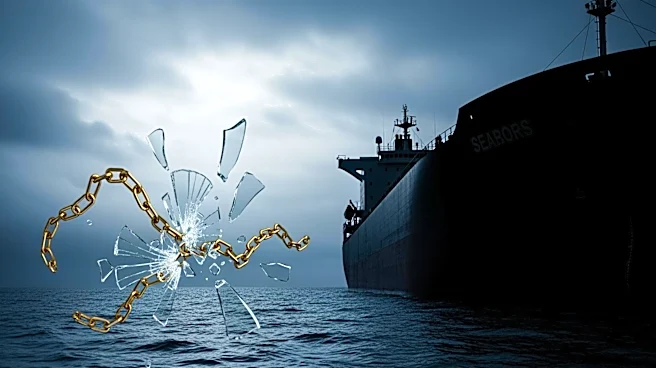
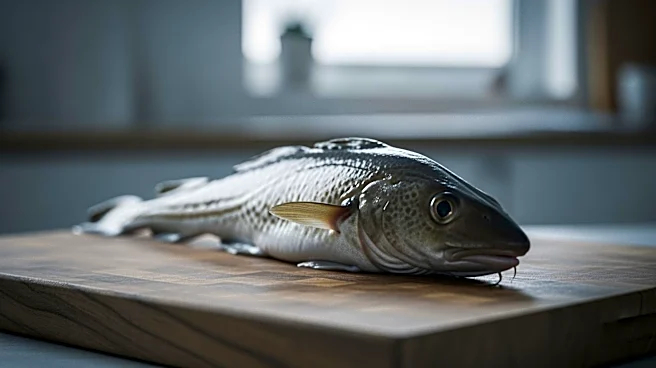
The European Union has announced a proposal to ban cod imports from Russia as part of its latest sanctions package in response to Russia's invasion of Ukraine. This move follows previous sanctions on Russian fish products, including a ban on luxury seafood
items like caviar in April 2022. The European Commission President, Ursula von der Leyen, stated that the EU aims to address the fisheries sector, one of the last major unsanctioned sectors, by imposing substantial restrictions on some fish products and a complete ban on others, including cod. The EU's decision also includes aligning trade restrictions for Belarus to prevent it from serving as a backdoor for Russian trade. Despite these measures, the EU imported €709 million worth of Russian fish in 2024, with significant imports going to countries like the Netherlands, Germany, France, and Poland.
Why It's Important?
The proposed ban on Russian cod imports is significant as it represents a continued effort by the EU to exert economic pressure on Russia in response to its actions in Ukraine. By targeting the fisheries sector, the EU aims to close one of the remaining avenues for Russian exports to the European market. This move could have economic implications for both Russian exporters and European importers, particularly in countries heavily reliant on Russian fish products. The ban could lead to increased prices and supply chain disruptions in the European seafood market, affecting businesses and consumers. Additionally, aligning trade restrictions with Belarus highlights the EU's strategy to prevent circumvention of sanctions, reinforcing the bloc's commitment to a unified response against Russian aggression.
What's Next?
The EU's proposal will likely undergo discussions and negotiations among member states before implementation. If approved, the ban could lead to further retaliatory measures from Russia, potentially escalating trade tensions. European countries may need to seek alternative sources for fish imports, which could involve strengthening trade relations with other fish-exporting nations. The effectiveness of the sanctions in influencing Russian policy will be closely monitored, as will the impact on the European seafood industry. Stakeholders, including businesses and policymakers, will need to adapt to the changing trade landscape and explore strategies to mitigate potential economic disruptions.