






What's Happening?
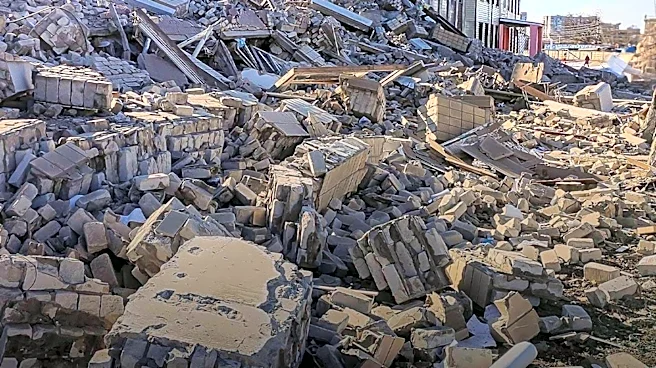
The recent deadly building collapse in Brooklyn, New York, which resulted in eight fatalities, has prompted Boston-based experts and city officials to emphasize the importance of construction safety and robust inspection processes. The Brooklyn incident
involved a building collapsing onto an active construction site where excavation was underway. Boston's Commissioner of Inspectional Services, Tania Del Rio, highlighted that the tragedy underscores the critical need for thorough city inspections, particularly for construction projects near existing structures. Experts from Northeastern University noted that vibrations from heavy machinery could destabilize older buildings. Del Rio stressed that Boston's building inspectors actively monitor construction sites to address potential damage to neighboring properties and can halt work if necessary. She also mentioned the ongoing effort to update databases and proactively engage property owners to ensure structural integrity compliance.
Why It's Important?
This event is important for Boston as it faces a significant demand for new housing and ongoing construction. The lessons from Brooklyn serve as a stark reminder of the potential dangers associated with urban development, especially in cities with dense populations and older infrastructure. The emphasis on increased inspections, stricter penalties for violations, and public vigilance is crucial for preventing similar tragedies. For Boston, this means a renewed focus on the Inspectional Services Department's resources and staffing to ensure adequate oversight. The call for more aggressive fines against developers who violate safety codes, as advocated by the Massachusetts Coalition for Occupational Safety and Health (MassCOSH), highlights the need for stronger deterrents to prioritize human safety over development costs.
What's Next?
Boston's Inspectional Services Department is expected to continue its efforts to update databases, proactively engage property owners, and clear backlogs of complaints. Commissioner Del Rio indicated that while the department could benefit from more staff and resources, it is committed to its current efforts. The city will likely encourage residents to report any concerns about building safety through the 311 system, reinforcing the role of public vigilance. The broader discussion may lead to policy reviews regarding construction site safety, particularly around excavation near older buildings, and potentially advocate for increased funding for inspection departments to prevent future incidents.
Beyond the Headlines
The Brooklyn collapse and Boston's response highlight a systemic challenge in rapidly developing urban environments: balancing growth with safety. The incident brings to light the ethical responsibility of developers and city authorities to protect both construction workers and the public. It also underscores the often-underfunded nature of municipal inspection departments, which are critical for enforcing safety standards. The call for more aggressive penalties and increased resources for oversight reflects a growing demand for accountability in the construction industry. This event could catalyze a broader re-evaluation of construction safety regulations and enforcement mechanisms across U.S. cities, emphasizing that human lives should not be a 'cost of development.'