





What's Happening?
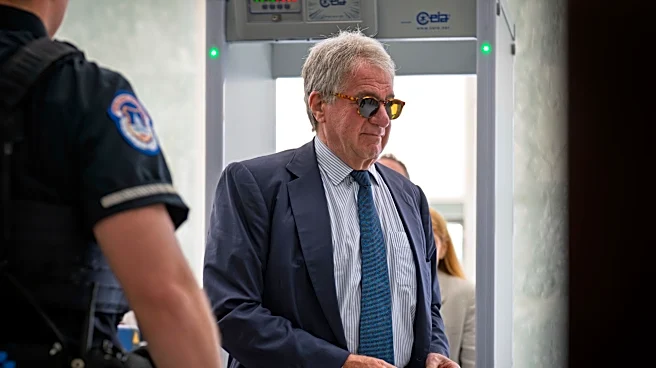
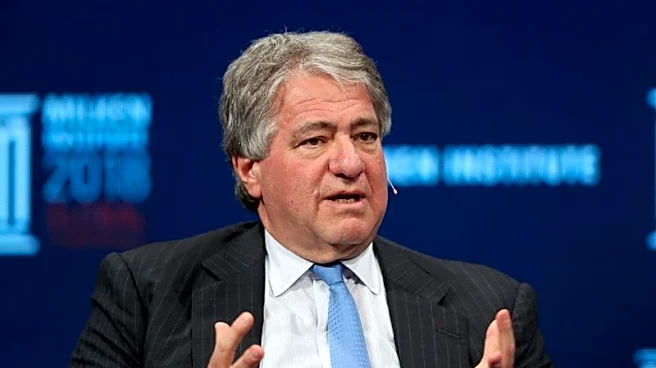
Billionaire investor Leon Black has filed a lawsuit against the House Oversight Committee, seeking to block subpoenas demanding documents and testimony related to his financial dealings with Jeffrey Epstein. Black, the former chairman and CEO of Apollo
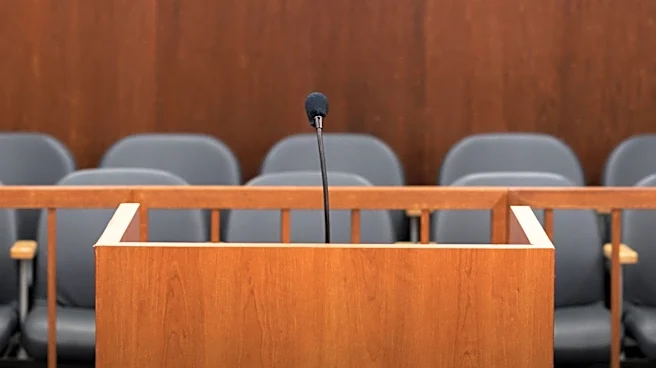
Global Management, refused to appear for a sworn congressional deposition, leading the committee to proceed with an empty chair. He paid Epstein $158 million between 2012 and 2017 for tax, estate-planning, and other financial services, maintaining he was unaware of Epstein’s criminal conduct. The lawsuit, filed in federal court in Washington, D.C., names the House Committee on Oversight and Government Reform and its chairman, Rep. James Comer, R-Ky. Black argues that the subpoenas exceed Congress’s constitutional authority and seek private information with no legitimate connection to the committee’s legislative work. The core of the dispute revolves around nondisclosure agreements (NDAs) involving Black, which his lawyers contend are unrelated to Epstein and would expose the identities of women with no known connection to the case.
Why It's Important?
This legal challenge by Leon Black against a congressional subpoena highlights a significant power struggle between legislative oversight and individual privacy rights, particularly in high-profile investigations. The outcome could set a precedent for the limits of congressional subpoena power, especially when it pertains to private citizens and their financial records or contractual agreements like NDAs. For the House Oversight Committee, Black's refusal to cooperate and subsequent lawsuit impede its investigation into how the federal government failed Epstein's victims and how Epstein cultivated relationships with influential individuals. If Black succeeds, it could narrow the scope of what congressional investigators can demand from private citizens, potentially hindering future oversight efforts. Conversely, if the committee prevails, it would reinforce Congress's broad power to compel testimony and documents in pursuit of legislative purposes, underscoring accountability for individuals connected to such cases. The ongoing scrutiny of Black's financial ties to Epstein also underscores broader concerns about the accountability of wealthy and influential figures in cases of alleged misconduct.
What's Next?
The confrontation between Leon Black and the House Oversight Committee is now on two parallel tracks. A federal court will consider Black's lawsuit to invalidate the congressional subpoenas, determining whether the committee overstepped its authority. Simultaneously, the Oversight Committee will decide on its next steps, which could include pursuing contempt proceedings against Black for his refusal to testify. Rep. Robert Garcia of California, the committee’s ranking Democrat, has already called for Black to be held in contempt. A contempt vote would escalate the standoff, potentially leading to action from the full House and a possible referral to the Justice Department for criminal contempt. This legal and political battle will determine the enforceability of congressional subpoenas in investigations involving private citizens and their financial and contractual records. The committee maintains that Black’s NDAs and testimony are crucial to its investigation into how Epstein operated and how federal authorities handled the case.
Beyond the Headlines
The legal battle between Leon Black and the House Oversight Committee delves into the complex interplay of congressional investigative powers, individual privacy, and the public's right to information, particularly in cases involving alleged sexual misconduct and financial impropriety. Beyond the immediate legal implications, this case raises ethical questions about the use of nondisclosure agreements (NDAs) by powerful individuals. While NDAs are often used to protect legitimate business interests or personal privacy, their application in contexts potentially linked to criminal activity, as alleged by the committee, sparks debate about transparency and accountability. The committee's focus on how Epstein cultivated relationships with wealthy and influential people, and how the federal government handled the case, points to systemic issues that extend beyond individual culpability. The outcome of this dispute could influence future legislative efforts to regulate NDAs and enhance oversight mechanisms, potentially shifting the balance between privacy protections and the imperative for public accountability in high-stakes investigations.