





What's Happening?
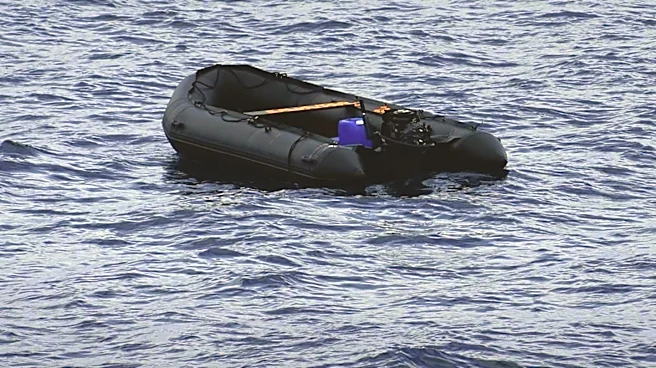
The International Organization for Migration (IOM) has reported that nearly 27,000 individuals have died in the Central Mediterranean since 2014 while attempting to reach European territory. This year alone, at least 872 deaths have been recorded in the Central Mediterranean,
though some civil society groups suggest higher figures. The perilous journey, typically from Libya or Tunisia to Italy or Malta, is undertaken by people fleeing war, poverty, persecution, and other challenges primarily from Africa, the Middle East, and Asia. Many of these individuals may have a legal right to protection in Europe, while others, including climate change refugees, might not. Bad weather conditions earlier in the year contributed to numerous drownings, with bodies washing ashore in Sicily and Calabria, Italy. Despite a drop in sea arrivals to Italy last year compared to 2023, civil society organizations believe the number of people attempting the journey remains consistent.
Why It's Important?
The ongoing crisis in the Mediterranean Sea underscores a significant humanitarian challenge with profound implications for international migration policies and human rights. The high death toll highlights the extreme risks faced by migrants and refugees, often driven by desperate circumstances. The involvement of the so-called Libyan coastguard, which civil search aircraft crews have observed intercepting boats, and accusations of violence against migrants by these groups, raise serious concerns about accountability and human rights abuses. European Union policies, including externalization deals with countries like Tunisia and the recent 'Return Regulation,' are criticized by civil society and human rights groups for potentially creating 'human rights black holes' and prioritizing border control over human lives. This situation reflects a global inequality crisis where the lives of migrants are often de-prioritized, leading to a continuous cycle of danger and death in the Mediterranean.
What's Next?
The European Commission is working to establish a Maritime Rescue Co-ordination Centre (MRCC) in Benghazi, eastern Libya, expected to be operational within six months. This initiative, supported by voluntary contributions from member states, aims to strengthen border management, search and rescue operations, and anti-smuggling capacities. However, critics, including Sea-Watch, express concern that this could lead to further collaboration with militias accused of war crimes, such as the Tareq Bin Zeyad group. Civil society organizations like Sea-Watch will continue their aerial surveillance and rescue efforts, aiming to document state actors' behavior and shed light on the realities of the Central Mediterranean. The debate over the effectiveness and human cost of current EU migration policies is expected to intensify, particularly as civil society groups continue to advocate for more humane approaches and greater transparency regarding migrant deaths and interceptions.
Beyond the Headlines
The Mediterranean migrant crisis reveals deeper ethical and systemic issues beyond immediate rescue operations. The description of the Mediterranean as a 'mass grave' reflects a profound moral failing in the international community's response to forced migration. The increasing militarization of border control and the outsourcing of migration management to countries with questionable human rights records raise critical questions about international law and humanitarian obligations. The struggle of organizations like Sea-Watch to refuel their planes due to events like tech titan gatherings, which occupy airport space with private jets, starkly illustrates the global inequality crisis and the prioritization of certain interests over human lives. This ongoing tragedy challenges the foundational principles of human dignity and universal rights, prompting a re-evaluation of how societies define and respond to vulnerability and displacement in an interconnected world.