




What's Happening?
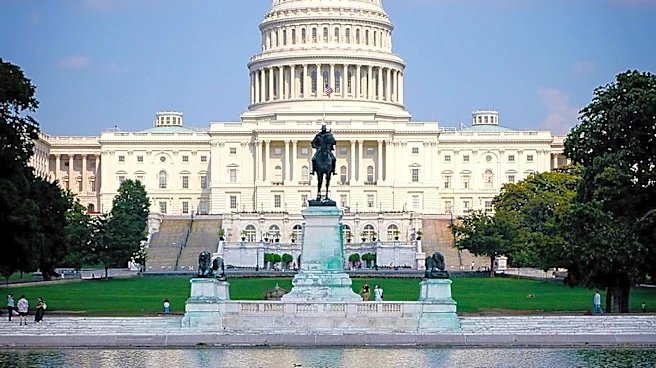
Congresswoman Chellie Pingree (D-ME) has expressed strong approval for the House's passage of the Diesel Emissions Reduction Act (DERA) of 2025. This bipartisan legislation aims to reauthorize the DERA program through fiscal year 2029, allocating $100
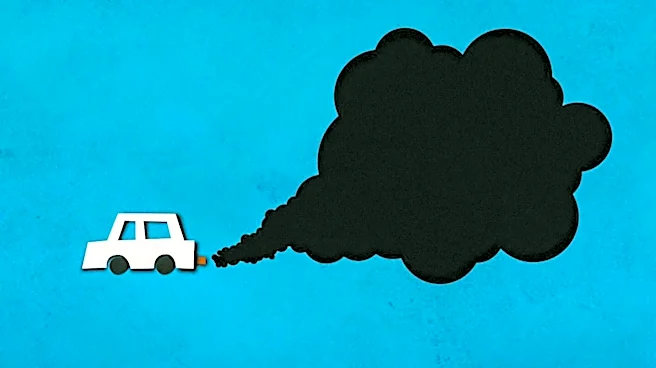
million annually. The program, initially established by the Energy Policy Act of 2005, provides grants and rebates to assist schools, local governments, small businesses, and fleet operators in replacing or upgrading older, heavily polluting diesel engines. According to a press release from Congresswoman Pingree's office, DERA has been instrumental in replacing or retrofitting nearly 100,000 diesel engines, vehicles, and equipment since its inception, leading to cleaner air and billions in public health benefits across the country, including Maine. Congresswoman Pingree emphasized the significant health consequences of emissions from older diesel engines, which contribute to asthma, heart and lung disease, and premature death.
Why It's Important?
The reauthorization of DERA is crucial for public health and environmental protection across the United States. Diesel engines, prevalent in various sectors such as transportation, construction, and agriculture, are major sources of air pollutants. By providing financial incentives for upgrading or replacing these older engines, DERA directly addresses a significant contributor to respiratory and cardiovascular diseases, thereby improving public health outcomes. The program's voluntary and technology-neutral approach allows communities to select the most suitable upgrades for their specific needs, fostering local control and tailored solutions. Economically, DERA helps businesses and municipalities manage the substantial costs associated with transitioning to cleaner technologies, making environmental compliance more accessible. Furthermore, Congresswoman Pingree highlighted the broader context of global energy market volatility and climate change threats, positioning DERA as a step towards reducing dependence on foreign energy and promoting more efficient technologies. The program's proven track record of returning up to $30 in public health benefits for every federal dollar invested underscores its economic efficiency and positive societal impact.
What's Next?
With the House passage, the Diesel Emissions Reduction Act of 2025 will now move through the legislative process, likely requiring Senate approval and presidential assent to become law. If enacted, the reauthorization will ensure continued funding for the DERA program through 2029, allowing for ongoing efforts to reduce diesel emissions nationwide. This will enable more schools, local governments, and businesses to access grants and rebates for engine upgrades, further improving air quality and public health. Stakeholders, including environmental groups, public health organizations, and industries reliant on diesel engines, will likely monitor the program's implementation and impact. The continued success of DERA could also serve as a model for future bipartisan environmental legislation, demonstrating the effectiveness of incentive-based approaches to pollution reduction. The focus will remain on the program's ability to deliver tangible benefits in terms of cleaner air and reduced health burdens.
Beyond the Headlines
The reauthorization of DERA reflects a deeper societal commitment to balancing economic activity with environmental stewardship and public health. The program's success in incentivizing the adoption of cleaner technologies without imposing strict mandates highlights a pragmatic approach to environmental policy. This model could be particularly influential in a politically divided landscape, demonstrating that bipartisan consensus can be achieved on issues with clear public benefits. Furthermore, DERA's focus on older diesel engines points to the long-term challenge of modernizing existing infrastructure to meet contemporary environmental standards. It underscores the concept of 'legacy pollution' and the ongoing need for targeted interventions to address the environmental impact of past industrial practices. The program also subtly promotes innovation in engine technology and fuel efficiency, driving market demand for cleaner alternatives and contributing to a broader shift towards sustainable practices in various sectors of the U.S. economy.