






What's Happening?
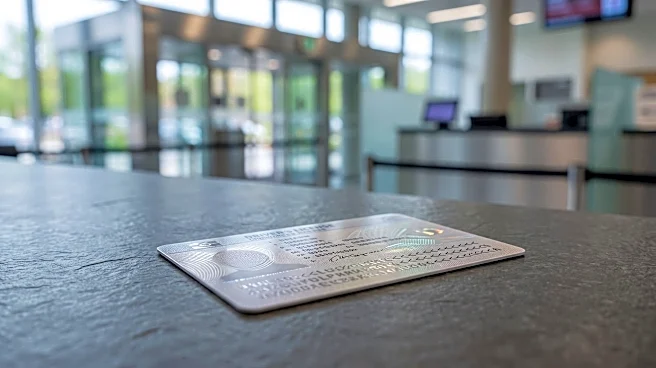
Honolulu city officials are urging Oahu residents to renew their driver's licenses and state identification cards up to six months in advance due to an anticipated surge in expirations. The Department of Customer Services expects an average of over 7,100
renewals per month in the coming weeks, which could lead to significant backlogs and crowded service locations. To mitigate this, residents are advised to schedule appointments early through the City's online reservation system, which allows bookings up to six months in advance. Select driver licensing centers and satellite city halls have also introduced Saturday hours to help manage the demand, with new appointment slots becoming available each Wednesday at 4:15 p.m. Additionally, next-day slots are added at specific centers like Kapalama, Kapolei, Ko’olau, and Wahiawa as space permits. Officials also noted that new cards can take up to five weeks to arrive by mail, and temporary paper IDs are not accepted at TSA checkpoints.
Why It's Important?
This advisory is crucial for Oahu residents as it directly impacts their ability to legally drive and maintain valid identification. A backlog in renewals could lead to expired licenses, resulting in legal complications for drivers and potential issues with identification for various services. The warning about temporary paper IDs not being accepted at TSA checkpoints is particularly significant for residents who travel, as it could disrupt their plans. By urging early renewals, city officials aim to prevent widespread inconvenience, reduce wait times, and ensure a smoother process for everyone. This proactive approach helps manage public services efficiently and minimizes potential disruptions to residents' daily lives, including employment, travel, and access to essential services that require valid identification. The situation also highlights the administrative challenges faced by local governments in managing high-volume public services.
What's Next?
In the coming weeks and months, Honolulu city officials will likely continue to monitor the volume of driver's license renewals and adjust their operational strategies as needed. This could include further expanding appointment availability, extending operating hours, or implementing additional measures to process renewals more efficiently. Residents who have not yet renewed their licenses will need to prioritize scheduling appointments to avoid expiration. Public awareness campaigns may also continue to remind residents of the urgency and available options for renewal. The Department of Customer Services will likely track the effectiveness of their early renewal campaign and the impact of the additional Saturday hours. Furthermore, residents should plan for the five-week mail delivery period for new cards, especially if they have upcoming travel plans, to ensure they have valid identification for TSA checkpoints.
Beyond the Headlines
Beyond the immediate logistical challenge of license renewals, this situation reflects broader issues in public service delivery and civic responsibility. The anticipated surge in renewals highlights the cyclical nature of administrative tasks and the need for robust planning and infrastructure to handle peak demands. It also underscores the importance of public cooperation in adhering to official advisories to ensure smooth functioning of government services. From a civic perspective, maintaining valid identification is a fundamental responsibility that enables participation in various aspects of society, from voting to accessing healthcare. The warning about TSA acceptance of temporary IDs also points to the increasing stringency of security protocols and the need for citizens to be aware of evolving identification requirements. This scenario serves as a reminder of the intricate relationship between government agencies and the public in maintaining an orderly and functional society.