


What's Happening?
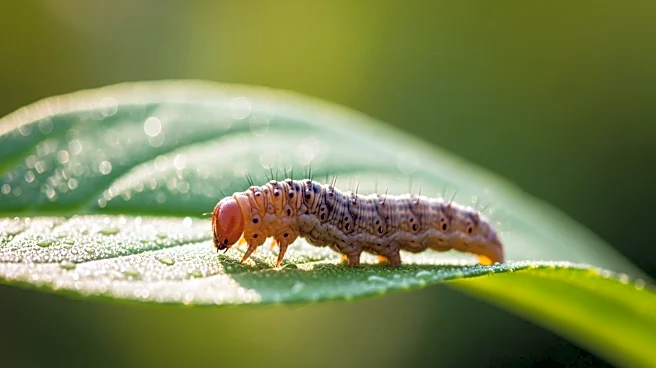
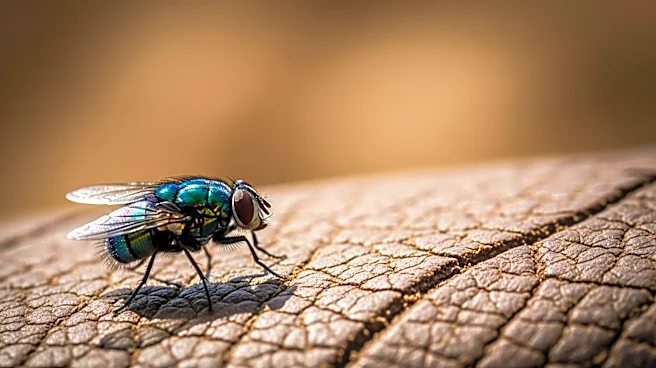
Kansas agriculture officials have expressed significant concern following the detection of the New World screwworm in Texas, as confirmed by the U.S. Department of Agriculture on June 3, 2026. The screwworm, a flesh-eating parasite, poses a threat to
livestock, pets, and humans by burrowing into living flesh. Although no cases have been reported in Kansas, the state's Department of Agriculture is on high alert. Kansas animal health commissioner Justin Smith stated that the state has been preparing for such a scenario for over a year and is confident in the response plan in place. The USDA is employing a sterile insect technique, previously successful in eradicating the pest from the U.S., to combat the current threat.
Why It's Important?
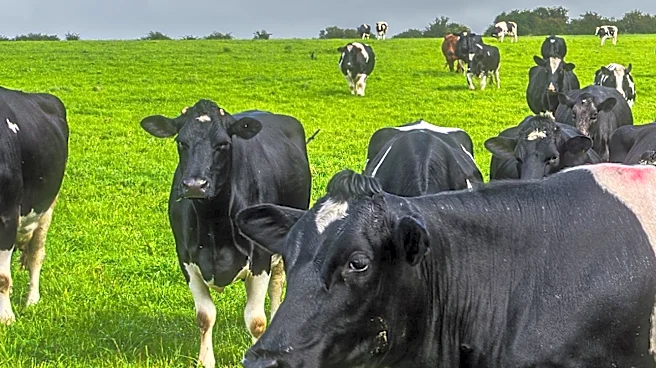
The detection of the New World screwworm in Texas is a significant concern for the U.S. agriculture industry, particularly in states like Kansas, where cattle farming is a major economic activity. The parasite's ability to affect livestock could lead to substantial economic losses if not contained. The USDA's response, including the use of sterile insect techniques, is crucial in preventing the spread of the screwworm to other states. The situation underscores the importance of vigilance and preparedness in protecting the agricultural sector from invasive species that can have devastating impacts on livestock health and the economy.
What's Next?
Kansas officials, along with the USDA, will continue to monitor the situation closely. The state's agriculture department is working with livestock owners, veterinarians, and other stakeholders to prevent the screwworm from entering Kansas. The USDA's ongoing efforts to maintain a biological barrier in Central America are also critical in preventing further incursions. Continued collaboration and communication among state and federal agencies, as well as the agricultural community, will be essential in managing and mitigating the threat posed by the screwworm.